By
In this guide
- 20. Rockstar Games Presents Table Tennis (2006)
- 19. Red Dead Revolver (2004)
- 18. Grand Theft Auto: Chinatown Wars (2009)
- 17. Grand Theft Auto: Vice City Stories (2006)
- 16. Midnight Club 3: DUB Edition (2005)
- 15. Manhunt (2003)
- 14. Midnight Club: Los Angeles (2008)
- 13. Max Payne (2001)
- 12. Max Payne 3 (2012)
- 11. L.A. Noire (2011)
- 10. The Warriors (2005)
- 9. Bully (2006)
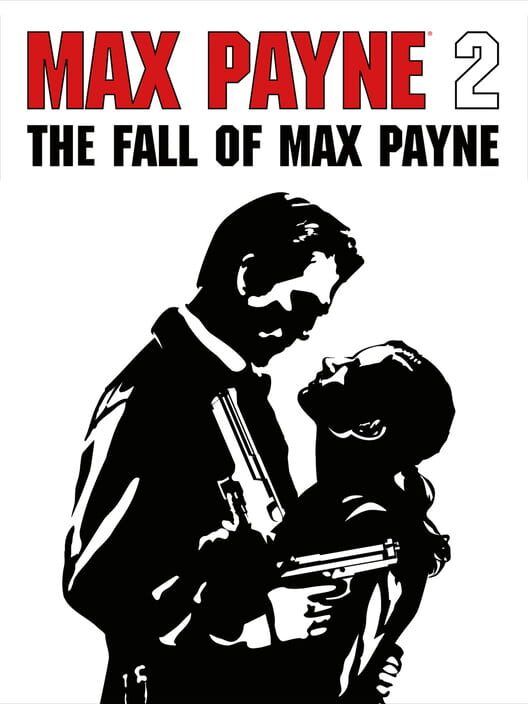
- 8. Max Payne 2: The Fall of Max Payne (2003)
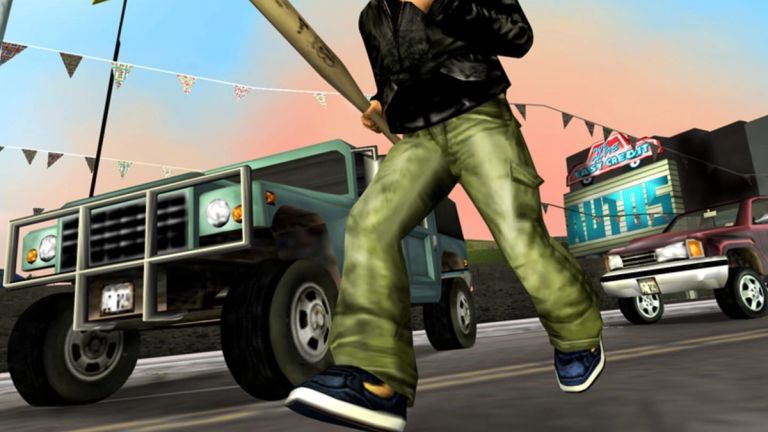
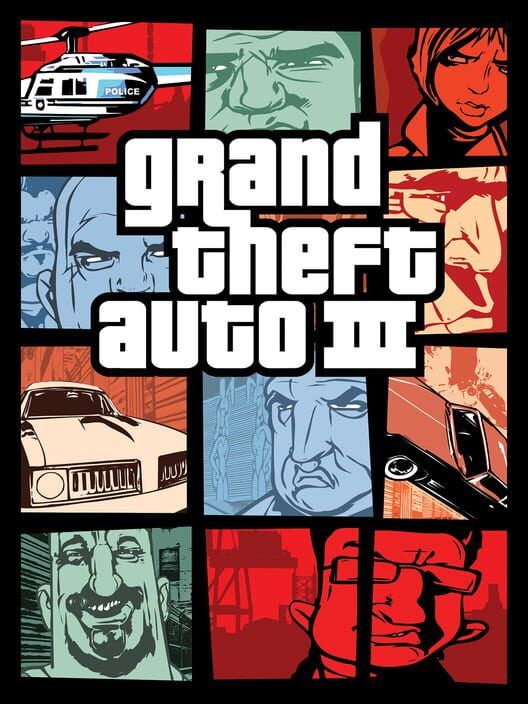
- 7. Grand Theft Auto III (2001)
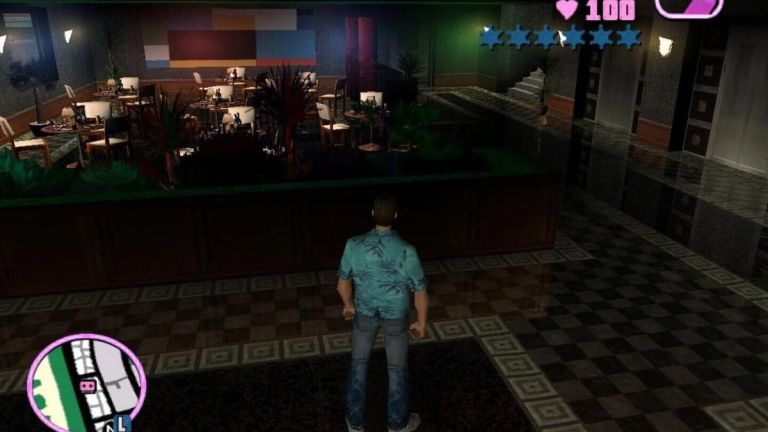
- 6. Grand Theft Auto: Vice City (2002)
- 5. Red Dead Redemption (2010)
- 4. Grand Theft Auto IV (2008)
- 3. Grand Theft Auto V (2013)
- 2. Grand Theft Auto: San Andreas (2004)
- 1. Red Dead Redemption 2 (2018)
- What About Grand Theft Auto VI?
- What Makes Rockstar Games So Special?
- Frequently Asked Questions
- Final Verdict: Rockstar's Greatest Legacy
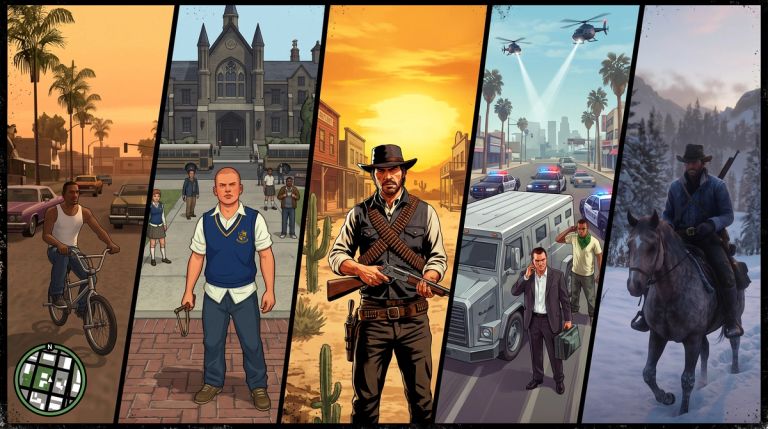
Few names in gaming carry quite the same weight as Rockstar Games. For more than two decades, the company has delivered some of the industry's most ambitious, controversial and influential experiences, from the crime-ridden streets of Liberty City to the breathtaking wilderness of the American frontier.
Rockstar's reputation was built on more than spectacular graphics or enormous budgets. Its greatest achievement has been creating virtual worlds that feel genuinely worth exploring. These are games where getting distracted is often half the fun, whether you're stealing cars in Los Santos, tracking wildlife in Red Dead Redemption 2, or simply listening to the radio while cruising through Vice City.
The release of Grand Theft Auto III in 2001 transformed the company's fortunes and helped establish the foundations of modern 3D open-world gaming. What followed was an extraordinary run of releases, including Vice City, San Andreas, Bully, Grand Theft Auto IV and the record-breaking Grand Theft Auto V.
But Rockstar's catalogue extends far beyond Grand Theft Auto. Its studios have produced unforgettable racing games, cinematic shooters, psychological horror experiences and even an unexpectedly brilliant table tennis simulator. Some of these titles have been overshadowed by the company's bigger franchises, despite deserving recognition in their own right.
With Grand Theft Auto VI scheduled to arrive on 19 November 2026, there's no better time to revisit the games that helped establish Rockstar's reputation.
We've expanded our original top ten into a definitive selection of 20 favourites, considering gameplay, storytelling, originality, atmosphere, historical impact and how well each title holds up today.
This is an editorial ranking rather than a list based purely on sales or review scores. We're also including games published by Rockstar, even when another studio handled development.
Some choices will undoubtedly be controversial. After all, deciding whether San Andreas is better than GTA V, or whether Red Dead Redemption 2 deserves the top spot, is enough to start an argument among even the closest gaming friends.
Here are our picks for the 20 best Rockstar Games of all time, ranked from great to truly extraordinary.
20. Rockstar Games Presents Table Tennis (2006)


- Released
- 2006
- Developer
- Rockstar San Diego
- Genre
- Simulator / Sport
- Platforms
- Wii · X360
- Age
- PEGI 3
- Score
- 83/100
That was the unexpected lesson delivered by Rockstar Games Presents Table Tennis in 2006.
Developed by Rockstar San Diego, this Xbox 360 release initially seemed like an unusually modest project for a company associated with extravagant action games. Yet beneath its straightforward premise was one of the most polished and entertaining sports simulations of its generation.
The brilliance lies in its precision. Every shot depends on timing, positioning and spin, with rallies gradually developing into frantic contests of anticipation and reflexes. Learning to manipulate the ball's trajectory is surprisingly rewarding, while the simple rules make the experience immediately accessible to newcomers.
Rockstar also invested considerable effort into presentation. Detailed player animations, convincing ball physics and atmospheric arenas give matches a competitive intensity that few would expect from a table tennis game.
What makes Table Tennis particularly memorable is that it doesn't rely on unnecessary distractions. There are no elaborate storylines, sprawling menus or excessive side activities. The focus remains almost entirely on mastering the sport.
It also demonstrated the capabilities of Rockstar's proprietary RAGE technology, which would become increasingly important to the company's future games.
Admittedly, the limited selection of modes and its relatively narrow scope prevent it from climbing higher on our list. Nevertheless, its gameplay remains remarkably enjoyable.
19. Red Dead Revolver (2004)
- Released
- 2004
- Developer
- Capcom / Rockstar San Diego
- Genre
- Shooter / Adventure
- Platforms
- XBOX · PS4 · PS2
- Age
- PEGI 16
- Score
- 69/100
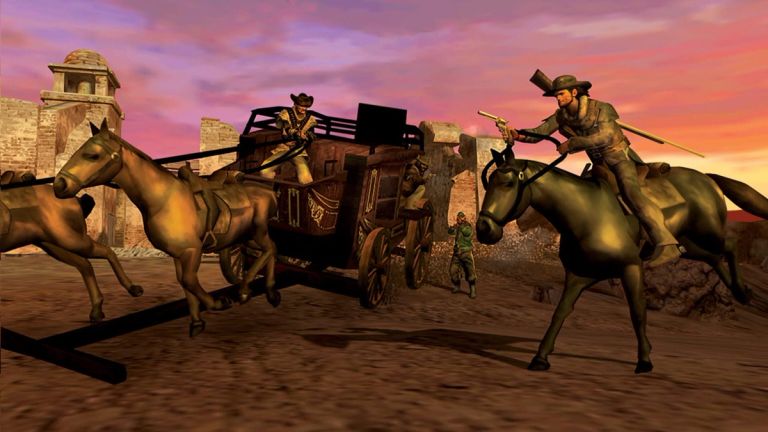
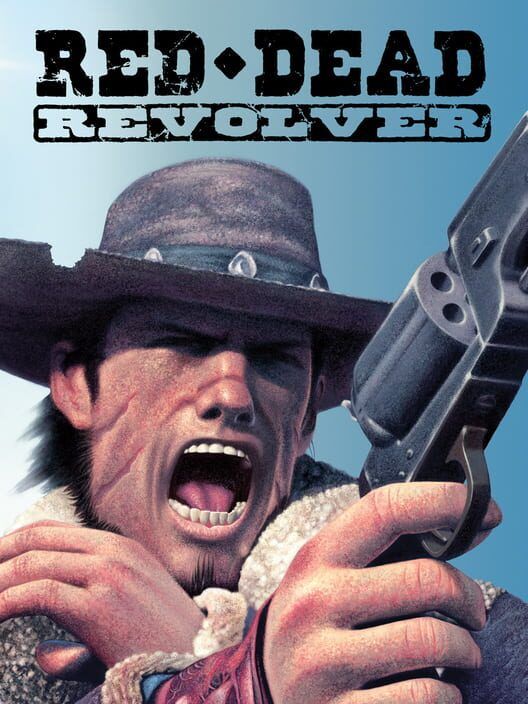
Released in 2004, Red Dead Revolver introduced players to Rockstar's distinctive interpretation of the American West. Although considerably smaller and more linear than its successors, it established many of the ideas that would eventually make the Red Dead franchise so beloved.
Originally developed by Angel Studios for Capcom before the project changed hands, the finished game was completed under Rockstar San Diego.
Rather than attempting to recreate an enormous living frontier, Revolver embraces the exaggerated spectacle of classic Western cinema. Its dusty towns, ruthless outlaws, dramatic duels and eccentric supporting characters feel like they've been lifted straight from a spaghetti Western.
Players follow Red Harlow, a bounty hunter seeking revenge for the murder of his parents. It's a relatively straightforward premise, but the game's presentation gives the familiar revenge story plenty of personality.
Gunplay is deliberately theatrical. The Dead Eye mechanic allows players to mark targets and execute rapid sequences of shots, establishing a feature that later became central to Red Dead Redemption.
The game's mission-based structure also provides an interesting contrast with the series' later entries. Encounters are tightly designed, boss battles are memorable, and the action rarely loses momentum.
Of course, Red Dead Revolver shows its age. Movement can feel stiff, shooting lacks the refinement of modern titles, and the campaign is considerably shorter than the adventures that followed.
Yet its importance shouldn't be underestimated. Without this unusual Western experiment, the Red Dead series might never have developed into what it is today.
18. Grand Theft Auto: Chinatown Wars (2009)

- Released
- 2009
- Developer
- Rockstar Leeds / Rockstar North
- Genre
- Shooter / Adventure
- Platforms
- Android · iOS · PSP · NDS
- Age
- PEGI 18
- Score
- 77/100
In fact, its distinctive presentation became one of its greatest strengths.
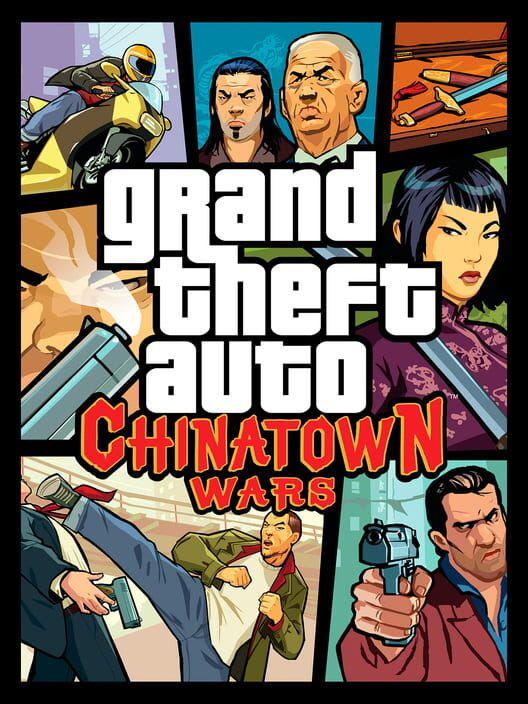
Developed by Rockstar Leeds with Rockstar North, Chinatown Wars returned to Liberty City from an overhead perspective reminiscent of the earliest GTA games. However, this wasn't simply an exercise in nostalgia.
The game combined familiar open-world activities with inventive handheld mechanics, responsive controls and a surprisingly sophisticated criminal economy.
Its story follows Huang Lee, the son of a murdered Triad leader. After arriving in Liberty City to deliver a valuable family sword, Huang is robbed and left for dead, setting the stage for a tale of betrayal, revenge and organised crime.
Although the narrative doesn't reach the emotional heights of the mainline GTA games, its sharp dialogue and colourful characters are thoroughly entertaining.
The real attraction is the freedom offered by the gameplay. Players can steal vehicles, explore Liberty City, complete missions and engage in the kind of chaotic activities that define Grand Theft Auto.
One particularly memorable feature is the drug-trading system, which introduces a surprisingly strategic way of earning money through fluctuating prices and calculated risks.
The original DS version also makes creative use of the touchscreen for various activities, including vehicle-related minigames.
Later PSP and mobile versions brought the adventure to additional audiences.
Chinatown Wars might lack the cinematic spectacle of Rockstar's biggest releases, but it understands precisely what makes GTA entertaining: freedom, unpredictability and the temptation to explore just one more street.
17. Grand Theft Auto: Vice City Stories (2006)

- Released
- 2006
- Developer
- Rockstar Leeds / Rockstar North
- Genre
- Racing / Adventure
- Platforms
- PS3 · PSP · PS2
- Age
- PEGI 18
- Score
- 77/100
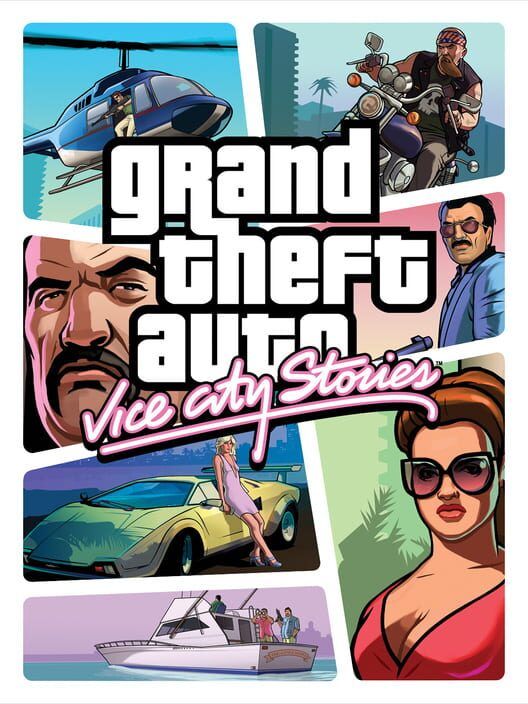
Originally released for the PSP in 2006 before arriving on PlayStation 2, the game serves as a prequel to 2002's Grand Theft Auto: Vice City.
Players take control of Victor Vance, a former soldier whose efforts to build a better future become entangled with Vice City's criminal underworld.
Victor provides an interesting contrast with Tommy Vercetti. Whereas Tommy is an ambitious criminal determined to establish his dominance, Victor begins as a comparatively sympathetic figure who finds himself increasingly compromised by his circumstances.
This gives the narrative a different emotional quality from its predecessor, even while maintaining Rockstar's familiar mixture of satire, violence and colourful supporting characters.
The setting is another major attraction.
Taking place in 1984, the game presents Vice City several years before Tommy's arrival, allowing players to explore a slightly different version of the sun-soaked metropolis.
Its soundtrack captures the decade's atmosphere, while the missions deliver the familiar combination of driving, combat and criminal enterprise.
Perhaps its most interesting addition is the empire-building system. Players can take control of businesses and develop criminal operations, adding an engaging management element to the traditional GTA formula.
It's not quite as polished or culturally significant as the original Vice City. Nevertheless, considering the limitations of the PSP, the sheer scale of the experience remains impressive.
16. Midnight Club 3: DUB Edition (2005)
- Released
- 2005
- Developer
- Rockstar San Diego
- Genre
- Racing
- Platforms
- XBOX · PSP · PS2
- Age
- PEGI 12
- Score
- 68/100
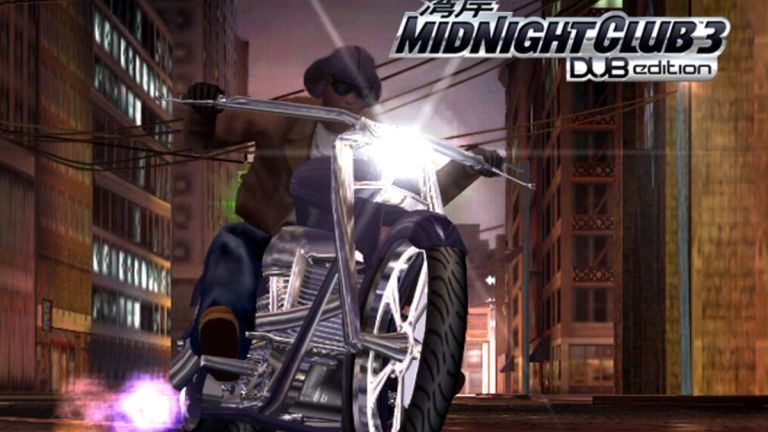
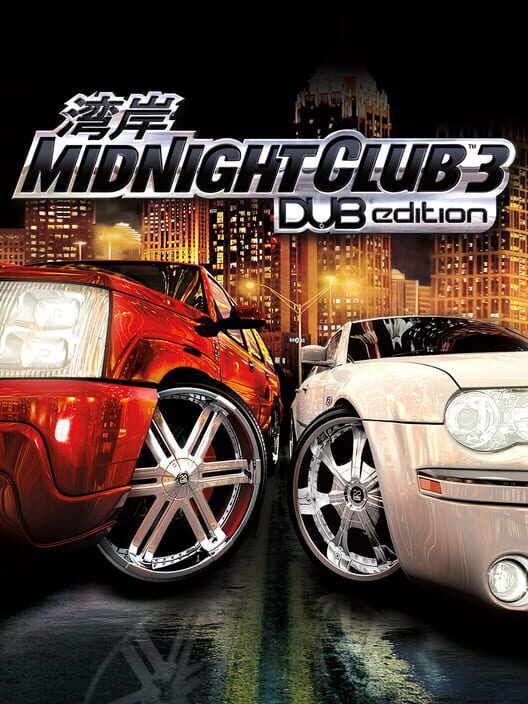
Midnight Club 3: DUB Edition remains one of the company's finest achievements in the genre.
Released in 2005, the third entry in the series took everything that made its predecessors exciting and increased the spectacle. Races are faster, the vehicle selection is broader, and customisation plays a much more prominent role.
Working with automotive lifestyle publication DUB Magazine, Rockstar San Diego created a game that celebrated the extravagant car culture of the mid-2000s.
Players could modify cars with custom bodywork, rims, paint finishes and performance upgrades before taking them onto the streets of San Diego, Atlanta and Detroit.
And what streets they were.
The racing is gloriously excessive, with vehicles tearing through traffic, launching themselves over obstacles and reaching extraordinary speeds. Unlike traditional circuit-based racers, many events allow players to choose their own routes between checkpoints.
Learning each city becomes an essential part of success, rewarding shortcuts, careful navigation and a willingness to take risks.
The game's special driving abilities introduce another layer of strategy, while its energetic soundtrack perfectly complements the atmosphere.
There's something wonderfully nostalgic about its combination of outrageous customisation, aggressive racing and distinctly 2000s presentation.
Its controls can feel unforgiving today, and the difficulty occasionally becomes frustrating. But few racing games deliver the same exhilarating sense of speed.
Fans interested in how the genre evolved should also explore our look at the best racing games and franchises.
15. Manhunt (2003)

- Released
- 2003
- Developer
- Rockstar North
- Genre
- Shooter / Tactical
- Platforms
- XBOX · PS3 · PS4 · PC · PS2
- Age
- PEGI 18
- Score
- 78/100
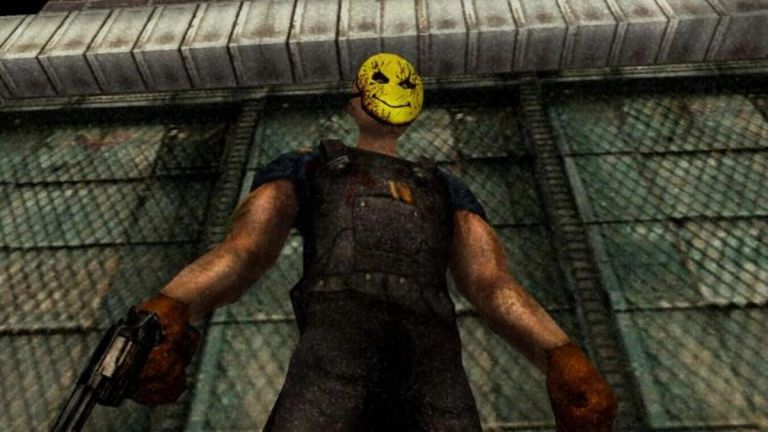
Launched in 2003, this psychological horror experience abandoned the colourful satire of Grand Theft Auto in favour of something considerably more disturbing.
The game takes place in Carcer City, a bleak urban environment filled with abandoned buildings, industrial decay and violent gangs.
Players control James Earl Cash, a death-row prisoner forced to participate in a series of murderous encounters orchestrated by a mysterious director.
Rather than encouraging constant gunfights, Manhunt places an unusual emphasis on stealth, patience and survival.
Players must carefully observe enemy movements, hide in shadows and use their surroundings to avoid detection. The sense of vulnerability is particularly effective during the early stages, when being discovered can rapidly become fatal.
Its presentation is equally distinctive.
Grainy visuals, oppressive sound design and the unsettling atmosphere of surveillance footage make Carcer City feel genuinely hostile. Few games of the era created such a convincing sense of dread.
The game's violent execution mechanics attracted considerable criticism and remain controversial. They are also an important reason why Manhunt is significantly harder to recommend universally than most of Rockstar's catalogue.
Beyond the controversy, however, lies a carefully constructed stealth game with memorable environments and an unusually uncompromising artistic direction.
The controls and some enemy behaviours have aged poorly, while the bleak atmosphere can become exhausting during extended sessions.
Nevertheless, its willingness to explore a darker side of interactive entertainment makes it one of Rockstar's most distinctive releases.
For additional background, see Rockstar's official Manhunt page.
14. Midnight Club: Los Angeles (2008)
- Released
- 2008
- Developer
- Rockstar London / Rockstar San Diego
- Genre
- Racing / Arcade
- Platforms
- PS3 · PSP · X360
- Age
- PEGI 12
- Score
- 77/100
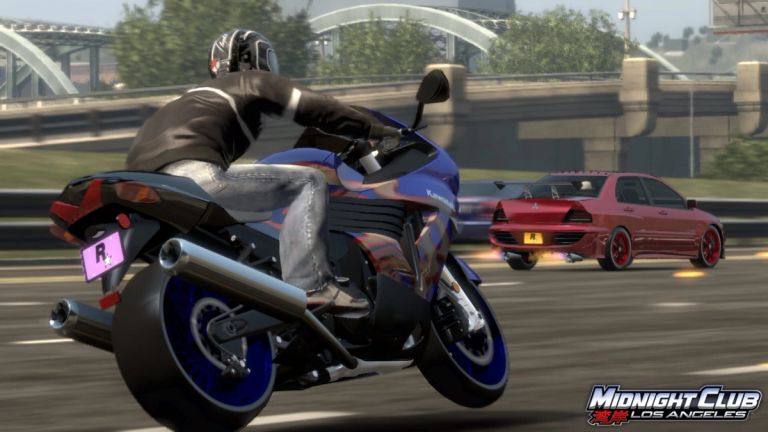
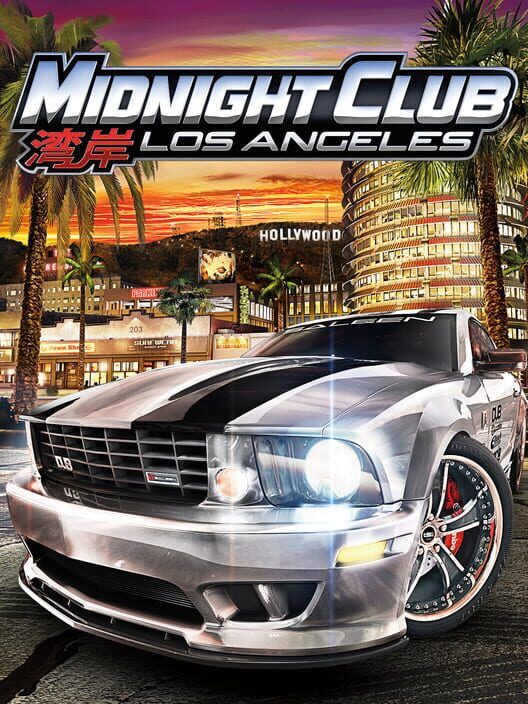
Released in 2008, the game transports players to a detailed interpretation of Los Angeles, transforming the city's streets into an enormous playground for high-speed competition.
Where Midnight Club 3 emphasised customisation and extravagant arcade racing, Los Angeles attempted to create a more cohesive driving experience within a convincing urban environment.
The result remains impressive.
Traffic-filled roads, recognisable neighbourhoods, winding hills and sprawling highways provide a wonderfully varied setting. The city feels designed for exploration, encouraging players to learn routes and identify shortcuts before challenging increasingly skilled opponents.
The handling strikes an entertaining balance between accessibility and challenge. Cars feel fast and responsive, but mastering corners and maintaining momentum still require concentration.
Vehicle customisation remains excellent, allowing players to build everything from heavily modified imports to powerful muscle cars and expensive exotics.
The progression system also deserves praise. Building a collection of desirable vehicles feels genuinely rewarding, particularly after overcoming the game's demanding races.
And demanding they certainly are.
Midnight Club: Los Angeles can be brutally difficult, with aggressive opponents and little room for careless driving. This may frustrate players accustomed to more forgiving contemporary racing games.
Yet that challenge also makes success particularly satisfying.
Its strong sense of speed, detailed city and outstanding selection of vehicles arguably make it the most complete Midnight Club experience.
Rockstar's official Midnight Club: Los Angeles page provides a useful look back at the title.
13. Max Payne (2001)
- Released
- 2001
- Developer
- Remedy Entertainment
- Genre
- Shooter
- Platforms
- XBOX · PS3 · PS4 · Android · PC
- Age
- PEGI 18
- Score
- 86/100
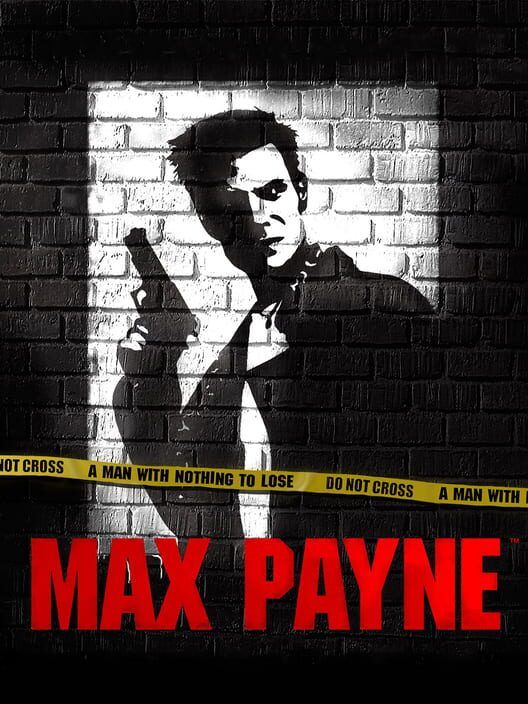
Developed by Remedy Entertainment and released for PC in 2001, the game introduced a troubled New York detective whose personal tragedy sends him into a violent criminal conspiracy.
The premise might sound familiar today, but Max Payne approached storytelling with an unmistakable identity.
Its graphic-novel presentation, bleak atmosphere and hard-boiled narration drew heavily from noir cinema, while its snow-covered environments made New York feel like an oppressive urban nightmare.
Then there was Bullet Time.
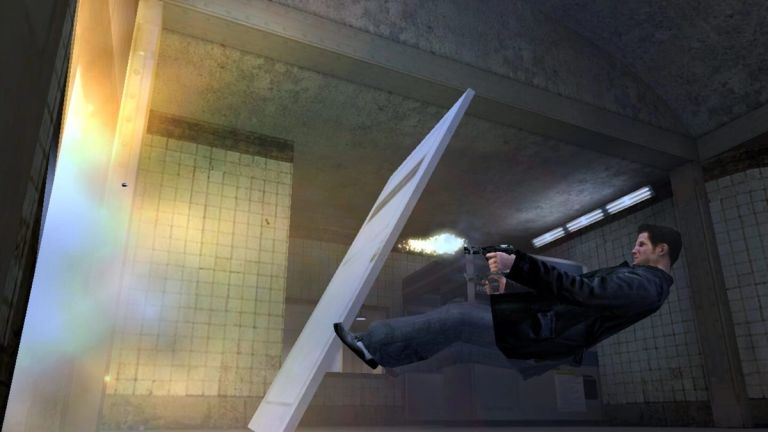
Inspired partly by the cinematic action popularised by films such as The Matrix, the mechanic allows players to slow down the action while diving through the air and exchanging gunfire with enemies.
It was an extraordinary innovation for its time.
Suddenly, encounters that might have felt ordinary in another shooter became elaborate action sequences. Leaping sideways through a doorway while firing two pistols remains immensely satisfying.
The original game also deserves credit for its storytelling. Max's grief and guilt give the adventure emotional weight, while its increasingly strange conspiracy keeps the narrative engaging.
Of course, certain aspects have aged. Facial animations look primitive, the controls require adjustment, and some encounters can feel unnecessarily punishing.
Yet the fundamental combat remains entertaining, and its atmosphere is still extraordinary.
Although Remedy created the original game, Max Payne became an important part of Rockstar's publishing catalogue and remains closely associated with the company today.
12. Max Payne 3 (2012)
- Released
- 2012
- Developer
- Rockstar New England / Rockstar Vancouver / Rockstar London / Rockstar Toronto
- Genre
- Shooter
- Platforms
- PS3 · PC · Mac · X360
- Age
- PEGI 18
- Score
- 82/100
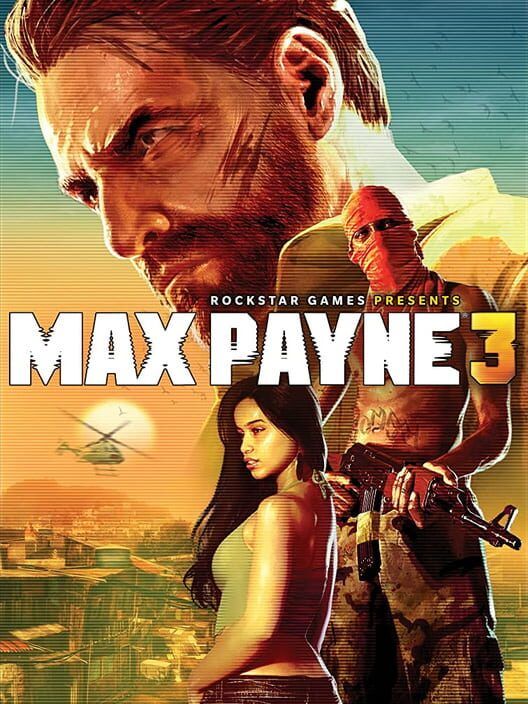
Rather than simply repeating the atmosphere of the first two games, Rockstar took the series in a dramatically different direction with Max Payne 3.
The ageing former detective is now living in São Paulo, Brazil, where he works as a private security contractor for a wealthy family.
Unfortunately, a change of scenery does little to resolve his problems.
Max remains haunted by his past, struggling with addiction, guilt and a seemingly endless capacity for self-destruction. The tropical setting may be brighter, but the story is every bit as bleak as its predecessors.
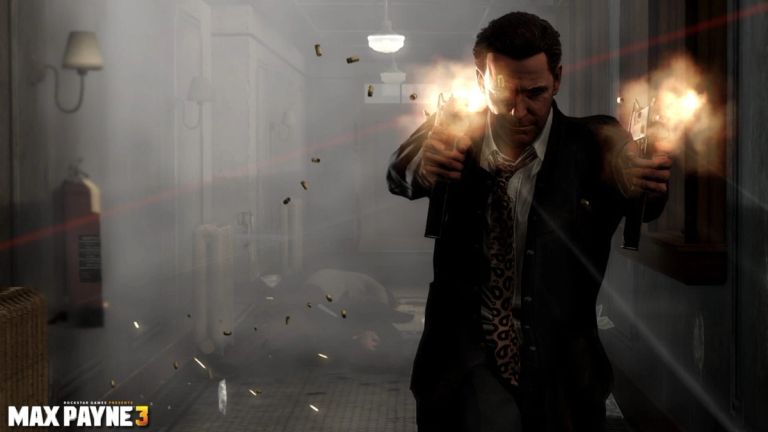
Where Max Payne 3 truly excels is its gunplay.
Rockstar created an exceptionally refined third-person shooting system, combining precise weapon handling, detailed animations and an evolved version of Bullet Time.
Firefights are spectacularly cinematic without sacrificing player control.
Max reacts convincingly to his surroundings, weapons have impressive physical feedback, and the game's movement systems make even straightforward encounters feel dramatic.
The transition from the snow-covered streets of New York to the crowded neighbourhoods of São Paulo initially feels jarring, but the unfamiliar setting gives the story a distinct identity.
Its audiovisual presentation is equally impressive, with striking editing effects and an atmospheric soundtrack from HEALTH.
Not every decision works.
The game's frequent cutscenes interrupt its momentum, and players looking for the open exploration associated with Rockstar's GTA titles may find its tightly controlled structure restrictive.
Nevertheless, the shooting mechanics remain among the strongest Rockstar has ever produced.
11. L.A. Noire (2011)
- Released
- 2011
- Developer
- Team Bondi / Rockstar Leeds / Rockstar North
- Genre
- Strategy / Adventure
- Platforms
- PS3 · PC · Steam VR · X360
- Age
- PEGI 18
- Score
- 82/100
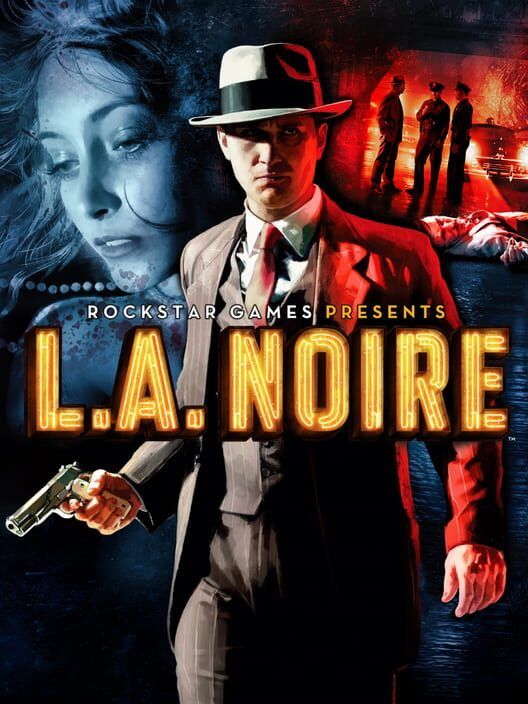
Originally developed by Team Bondi and published by Rockstar Games, this 2011 detective adventure remains one of the company's most unusual and fascinating releases.
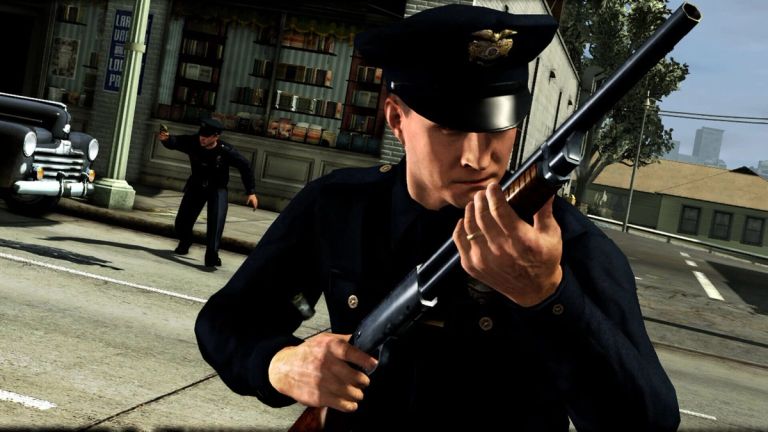
Set in Los Angeles during 1947, the game follows Cole Phelps, a decorated war veteran working his way through the ranks of the LAPD.
Rather than relying entirely on gunfights and vehicle chases, progression centres on examining crime scenes, collecting evidence, questioning witnesses and piecing together complicated investigations.
Its interrogations were particularly innovative.
Using advanced facial-capture technology, L.A. Noire attempted to make reading a suspect's expressions an important part of the gameplay.
Players had to examine statements, look for inconsistencies and determine whether witnesses were telling the truth.
Although the system wasn't always intuitive, it provided a genuinely different approach to interactive storytelling.
The setting is another extraordinary achievement.
Rockstar's recreation of post-war Los Angeles captures the cars, architecture, fashion and atmosphere of the period with remarkable attention to detail.
Its jazz soundtrack and noir-inspired presentation give the city an unmistakable personality.
The story also deserves considerable praise. What begins as a series of relatively straightforward investigations gradually reveals corruption, moral compromise and the darker side of the American dream.
Not every mechanic is equally successful. Combat can feel basic, while the open world sometimes lacks meaningful activities outside the main cases.
Yet L.A. Noire succeeds because it dares to prioritise investigation and atmosphere over conventional action.
It's a compelling reminder that the Rockstar name represents more than criminal sandbox games.
You can explore its history and features through Rockstar's official L.A. Noire page.
10. The Warriors (2005)
- Released
- 2005
- Developer
- Rockstar Toronto / Rockstar Leeds
- Genre
- Fighting / Hack and slash/Beat 'em up
- Platforms
- XBOX · PS3 · PS4 · PSP · PS2
- Age
- PEGI 16
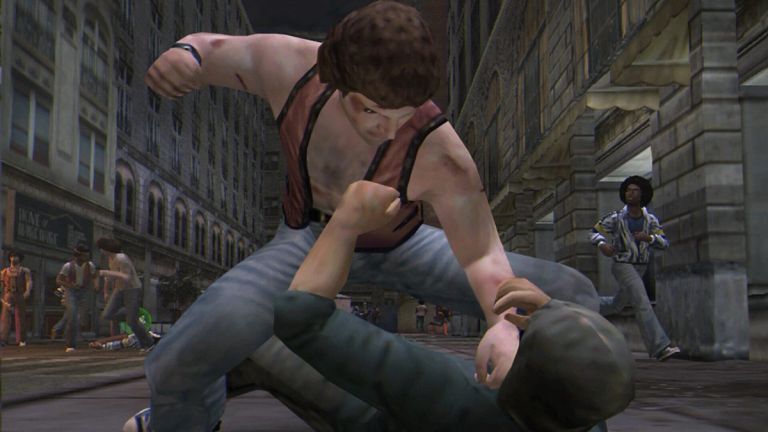
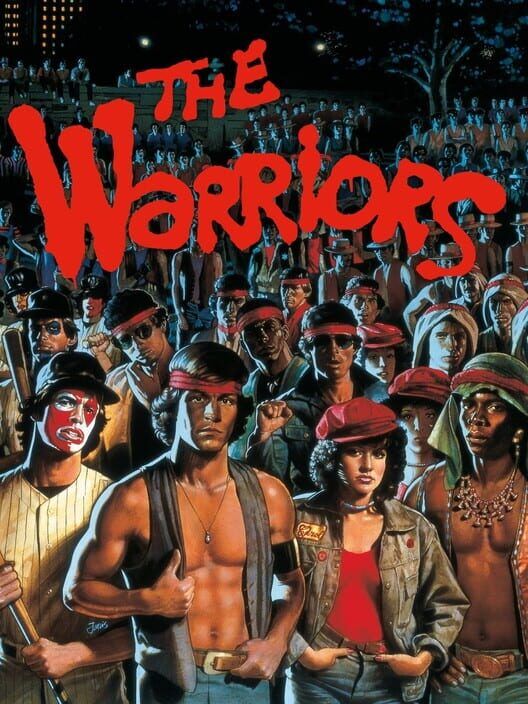
Based on Walter Hill's 1979 cult classic film, Rockstar's 2005 adaptation captures the atmosphere of a dangerous, gang-controlled New York while expanding the story in ways that make the experience feel surprisingly complete.
The original film follows a street gang wrongly accused of murdering a powerful rival leader. Forced to travel across hostile territory, the Warriors must fight their way back to Coney Island while avoiding numerous enemy gangs.
Rockstar takes this premise and transforms it into an entertaining action adventure built around close-quarters combat, exploration and teamwork.
Much of the game's appeal comes from its fighting system.
Unlike the gun-heavy gameplay associated with Grand Theft Auto, The Warriors focuses on punches, grapples, environmental attacks and improvised weapons. Encounters can become wonderfully chaotic, particularly when several gang members are involved.
The game also introduces missions that explore events leading up to the film, giving players additional context about the characters, rival gangs and their relationships.
It's an excellent example of how an adaptation can expand an existing story instead of merely recreating familiar scenes.
Another major strength is cooperative gameplay. Playing alongside a friend makes the hectic street fights especially enjoyable, transforming an already entertaining experience into a memorable shared adventure.
The game's stylised presentation deserves credit too. Its dirty streets, graffiti-covered environments and distinctive gang costumes convincingly recreate the film's atmosphere.
There are weaknesses. The camera can become awkward, combat occasionally feels repetitive, and certain missions are more frustrating than others.
Even so, The Warriors remains one of the finest games based on a film.
Can you dig it? Absolutely.
9. Bully (2006)

- Released
- 2006
- Developer
- Rockstar New England / Rockstar Vancouver
- Genre
- Adventure
- Platforms
- PS4 · PC · PS2
- Age
- PEGI 16
- Score
- 81/100
You get Bully, one of the most charming and distinctive games the company has ever created.
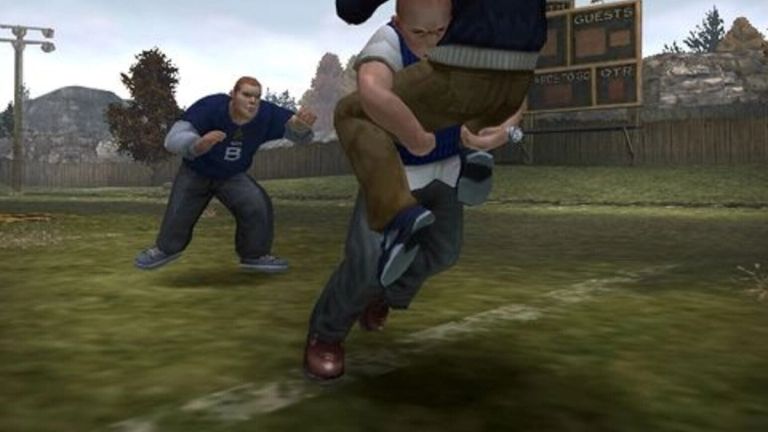
Released in 2006 and originally known as Canis Canem Edit in PAL territories, Bully follows Jimmy Hopkins, a rebellious teenager sent to Bullworth Academy.
Jimmy quickly discovers that the school is divided into competing social groups, each with its own personalities, rivalries and problems.
Instead of climbing the ranks of a criminal organisation, players navigate the complicated social hierarchy of teenage life.
The result is a smaller but remarkably engaging open-world adventure.
Bullworth feels alive thanks to its daily schedule. Students attend classes, prefects patrol the grounds, teachers enforce rules, and the school environment changes as the day progresses.
Attending lessons is more than a background activity, too.
Classes introduce entertaining minigames that reward players with useful abilities, while extracurricular activities provide plenty of distractions from the main storyline.
Exploring the surrounding town adds even more variety, including bicycle races, part-time jobs, collectible items and entertaining side missions.
Jimmy himself is an appealing protagonist. Although frequently mischievous and occasionally aggressive, he's considerably more sympathetic than many traditional Rockstar leads.
The game's real achievement is its tone.
Bully blends adolescent comedy, satire and surprisingly thoughtful observations about social hierarchies. Its school environment feels exaggerated, but many of its rivalries and awkward situations remain recognisable.
Some gameplay systems have aged, particularly the combat and camera controls. Nevertheless, the personality of Bullworth Academy continues to make the game special.
It's also one of Rockstar's most obvious candidates for a sequel.
8. Max Payne 2: The Fall of Max Payne (2003)
- Released
- 2003
- Developer
- Remedy Entertainment
- Genre
- Shooter
- Platforms
- XBOX · PS3 · PC · X360 · PS2
- Age
- PEGI 18
- Score
- 86/100
The original established the series' identity, while Max Payne 3 arguably perfected its shooting mechanics.
However, Max Payne 2: The Fall of Max Payne delivers the strongest balance between story, atmosphere and cinematic action.
Released in 2003 and developed by Remedy Entertainment, the sequel returns to the troubled detective's increasingly dangerous life.
Max is once again caught in a complicated conspiracy involving organised crime, betrayal and personal tragedy. This time, however, the story also explores his relationship with Mona Sax, introducing an emotional dimension that distinguishes the sequel from its predecessor.
The game's neo-noir presentation is outstanding.
Rain-soaked streets, abandoned buildings, gloomy interiors and atmospheric narration create a world that feels simultaneously grounded and dreamlike.
Its storytelling is deliberately theatrical, drawing on the traditions of hard-boiled crime fiction while embracing the exaggerated intensity of action cinema.
Gameplay is equally impressive.
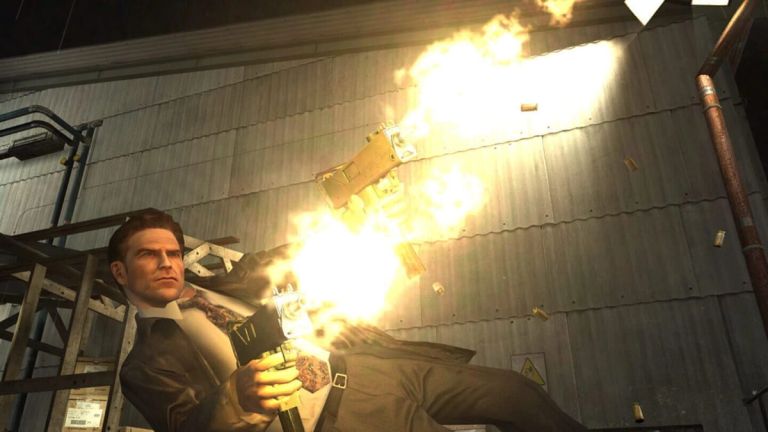
The improved Bullet Time system allows players to slow the action during spectacular gunfights, while refined movement and weapon handling make combat more fluid than in the original.
Every encounter encourages creative positioning, carefully timed dives and an appreciation for cinematic spectacle.
The game's physics also add an entertaining layer of unpredictability, with objects reacting to gunfire and characters tumbling through the environment.
Perhaps its greatest weakness is its length.
The campaign is relatively short, and some players may find themselves wishing the story lasted considerably longer. Commercially, it also struggled to match expectations despite receiving considerable critical praise.
Yet that compact structure arguably works in its favour. Very little feels unnecessary, and the narrative maintains an impressive sense of momentum.
There's another reason to revisit it in 2026.
Remedy Entertainment is developing remakes of both original Max Payne games as a single project in collaboration with Rockstar, giving these noir classics an opportunity to reach another generation.
You can follow the project through Remedy's official Max Payne 1 & 2 Remake page.
7. Grand Theft Auto III (2001)
- Released
- 2001
- Developer
- DMA Design / TransGaming Inc.
- Genre
- Shooter / Racing
- Platforms
- XBOX · PS4 · Android · PC · iOS
- Age
- PEGI 18
- Score
- 84/100
Others fundamentally change what players expect from an entire genre.
Grand Theft Auto III belongs firmly in the second category.
Released in 2001, Rockstar North's landmark crime adventure transformed Grand Theft Auto from a predominantly overhead series into an expansive 3D experience.
The impact was extraordinary.
For the first time in the franchise, players could explore Liberty City from a third-person perspective, navigating streets filled with traffic, pedestrians, criminal activity and countless opportunities for unscripted chaos.
The city was divided into distinct districts, each offering its own atmosphere, missions and dangers.
Players could follow the story, steal vehicles, cause trouble, explore hidden locations or simply drive around listening to the radio.
That freedom might seem ordinary by modern standards, but in 2001 it felt revolutionary.
The game's structure helped establish a blueprint that influenced countless later releases, including Saints Row, True Crime, Crackdown and many other open-world adventures.
Its story follows Claude, a largely silent criminal betrayed during a robbery and drawn into Liberty City's violent underworld.
Although the narrative lacks the emotional complexity of Rockstar's later work, the supporting characters and mission structure provide plenty of memorable moments.
The game's radio stations also deserve enormous credit. Their combination of music, fictional advertisements and satirical commentary contributed significantly to the city's identity.
Of course, returning to GTA III in 2026 reveals several limitations.
Gunplay is awkward, vehicles can be difficult to control, and certain missions are frustrating by contemporary standards. Compared with later GTA releases, the activities and character interactions are relatively basic.
However, judging the game purely against modern expectations misses the point.
Grand Theft Auto III helped define the possibilities of the 3D open-world genre. Its influence can still be felt throughout gaming.
It remains an essential part of the genre's history, making it a natural inclusion alongside the titles featured in our best open-world games selection.
6. Grand Theft Auto: Vice City (2002)
- Released
- 2002
- Developer
- Rockstar North
- Genre
- Shooter / Racing
- Platforms
- XBOX · PS3 · PC · Mac · PS2
- Age
- PEGI 18
- Score
- 80/100
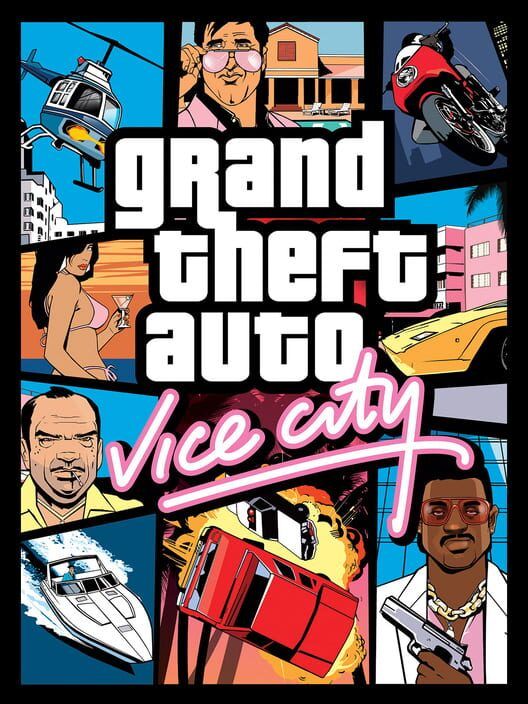
Perhaps it's the neon-soaked streets, the beautiful sunsets, the unmistakable 1980s soundtrack or the opportunity to cruise through a tropical city in a stolen sports car.
Whatever the explanation, few games have ever captured a particular time and place so successfully.
Released in 2002, Vice City built upon the technical foundations of GTA III while introducing a much stronger sense of personality.
Its protagonist, Tommy Vercetti, remains one of Rockstar's most memorable characters.
Voiced by Ray Liotta, Tommy is an ambitious criminal attempting to establish his own empire after a disastrous drug deal.
The story takes obvious inspiration from films such as Scarface, combining organised crime, betrayal and the excesses of the 1980s into an entertaining tale of ambition.
However, the true star is arguably Vice City itself.
From its glamorous beachfront neighbourhoods to its seedier industrial districts, the city feels carefully designed to evoke a specific atmosphere.
The soundtrack is equally important.
Rockstar assembled an extraordinary selection of music, creating radio stations that feel inseparable from the experience. Driving through the city while listening to period-appropriate pop, rock and electronic music remains one of gaming's great pleasures.
The game also expanded the series' mechanics.
Motorcycles, helicopters, property ownership and additional mission types gave players more opportunities than ever before.
Buying businesses and developing Tommy's criminal empire provided a particularly satisfying sense of progression.
The world is smaller than those found in later GTA games, while the shooting mechanics and mission design can occasionally feel dated.
Nevertheless, Vice City possesses something that technical advancements alone cannot replace: an extraordinary atmosphere.
For many players, it remains the definitive GTA setting.
It's also worth remembering that the upcoming Grand Theft Auto VI returns to a modern interpretation of Vice City, reinforcing the enduring popularity of Rockstar's fictional Florida destination.
5. Red Dead Redemption (2010)
- Released
- 2010
- Developer
- Rockstar North / Rockstar San Diego
- Genre
- Shooter / Role-playing (RPG)
- Platforms
- PS3 · PC · X360
- Age
- PEGI 18
- Score
- 89/100
That comparison quickly proved inadequate.
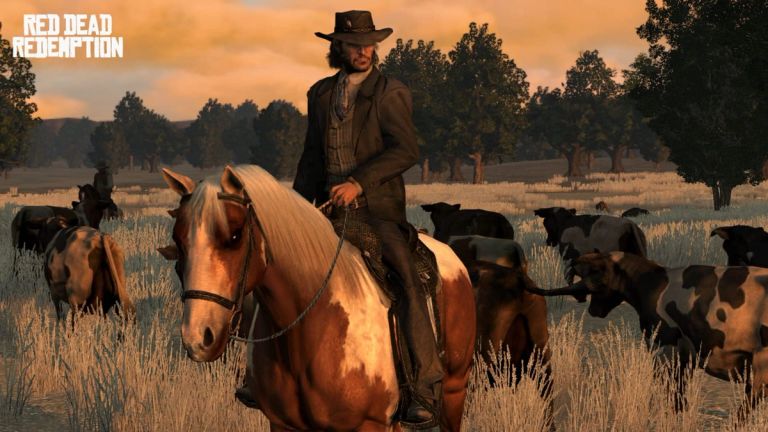
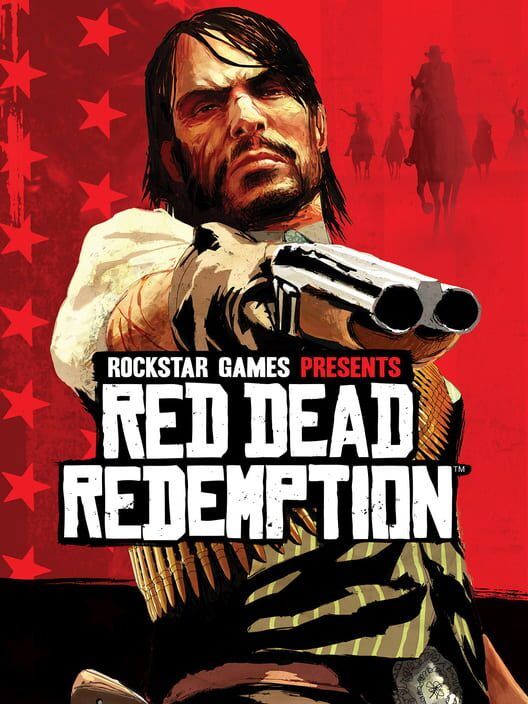
Although it borrowed elements of Rockstar's established open-world formula, Red Dead Redemption introduced a substantially different atmosphere, a more restrained narrative and one of the most compelling protagonists in gaming.
Players assume the role of John Marston, a former outlaw forced by government agents to pursue members of his old gang.
Marston's motivation is deeply personal: he wants to leave his violent past behind and return to his family.
That simple objective provides the foundation for an extraordinary story about loyalty, regret, betrayal and the decline of the American frontier.
The setting is magnificent.
Rockstar's interpretation of the American West combines sprawling deserts, dusty settlements, remote wilderness and the dangerous borderlands of Mexico.
Travelling across these environments feels fundamentally different from exploring Liberty City or Los Santos.
The slower pace encourages players to appreciate the landscape, encounter strangers and immerse themselves in the atmosphere.
Wildlife, random events, bounty hunting, gambling and numerous optional activities create a world that feels rich without requiring constant spectacle.
Combat is equally satisfying, particularly thanks to the refined Dead Eye system.
However, the game's greatest achievement is undoubtedly its storytelling.
John Marston is a remarkably well-written character whose attempts to escape his past provide emotional weight to the entire adventure.
Without revealing its ending, Red Dead Redemption delivers one of the most memorable conclusions in the history of narrative-driven gaming.
And then there's Undead Nightmare.
This substantial expansion transforms the Western into a supernatural survival adventure, introducing zombies, mythical creatures and a delightfully different atmosphere.
It remains one of the best examples of how downloadable content can reimagine an established game. For more undead gaming favourites, see our top zombie games.
Some missions can feel repetitive today, and its movement mechanics aren't quite as refined as those in the sequel.
Nevertheless, the original Red Dead Redemption remains an extraordinary achievement.
4. Grand Theft Auto IV (2008)
- Released
- 2008
- Developer
- Rockstar North
- Genre
- Shooter / Racing
- Platforms
- PS3 · PC · X360
- Age
- PEGI 18
- Score
- 83/100
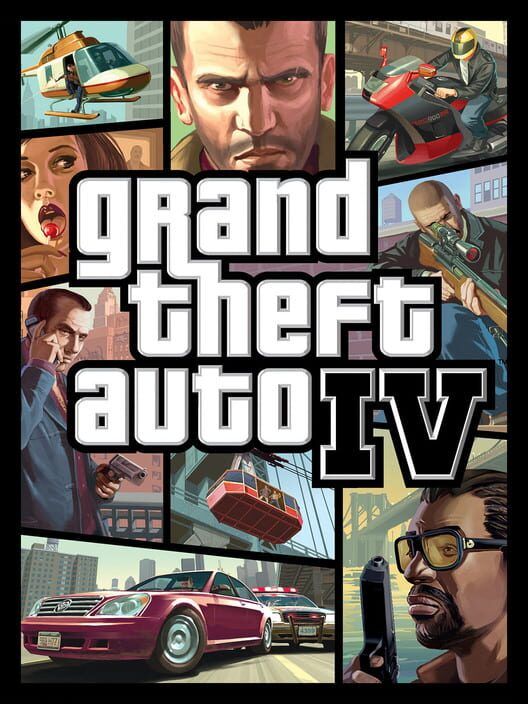
Following the outrageous ambition and exaggerated atmosphere of San Andreas, Rockstar returned to Liberty City with a considerably darker, more grounded interpretation of American life.
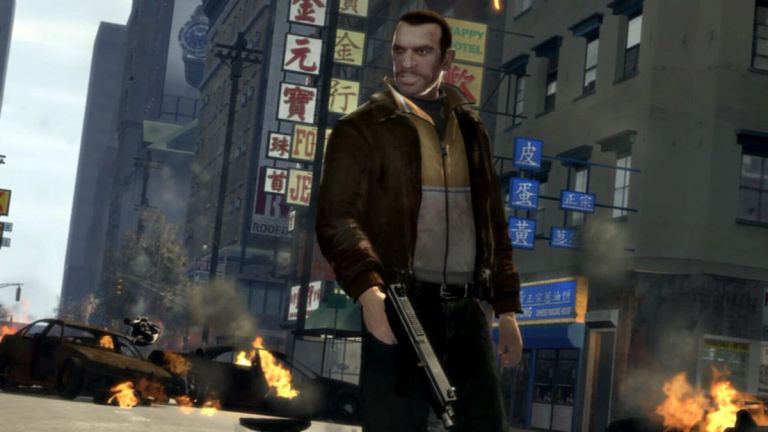
Released in 2008, GTA IV introduced a new protagonist, Niko Bellic, an Eastern European immigrant hoping to escape his troubled past and establish a better future.
His cousin Roman promises a life of wealth and opportunity.
Unfortunately, Niko quickly discovers that the American dream isn't quite what he expected.
What follows is one of the strongest narratives in the GTA franchise.
Niko is a particularly compelling protagonist because he isn't simply motivated by money or a desire for power. His experiences have left him deeply cynical, and his attempts to build a new life are complicated by unresolved trauma and an increasingly dangerous criminal environment.
The supporting cast provides plenty of memorable moments, balancing Rockstar's familiar satire with a more serious exploration of loyalty, exploitation and betrayal.
Liberty City is equally impressive.
Inspired by New York, the environment captures the atmosphere of a dense modern metropolis through its architecture, traffic, pedestrians and neighbourhoods.
Although the map lacks the enormous countryside found in San Andreas, the attention to urban detail is remarkable.
The game's physics also represented an important technical advancement.
Vehicles have a greater sense of weight, characters react dynamically to impacts, and the overall presentation feels more physically convincing than earlier GTA releases.
Not everyone appreciated these changes.
Driving can feel cumbersome, the colour palette is comparatively muted, and the game offers fewer extravagant activities than San Andreas.
Certain mission structures also become repetitive, while the infamous phone calls from friends can interrupt the experience.
Yet these criticisms don't diminish its strengths.
In some respects, GTA IV remains Rockstar's most mature crime story.
Its two major expansions, The Lost and Damned and The Ballad of Gay Tony, further enhance the experience by examining Liberty City from different perspectives.
Together, they create an interconnected portrait of the city and its criminal underworld.
3. Grand Theft Auto V (2013)
- Released
- 2013
- Developer
- Rockstar North
- Genre
- Shooter / Racing
- Platforms
- Series X|S · PS3 · PS4 · PC · PS5
- Age
- PEGI 18
- Score
- 87/100
Originally released in September 2013, Rockstar's blockbuster immediately became a cultural phenomenon.
According to publisher Take-Two Interactive, the game generated more than $800 million in worldwide retail sales during its first 24 hours, an astonishing achievement that demonstrated the franchise's commercial power.
Yet its success cannot be explained by marketing alone.
GTA V delivers one of the most entertaining and technically impressive open worlds ever created.
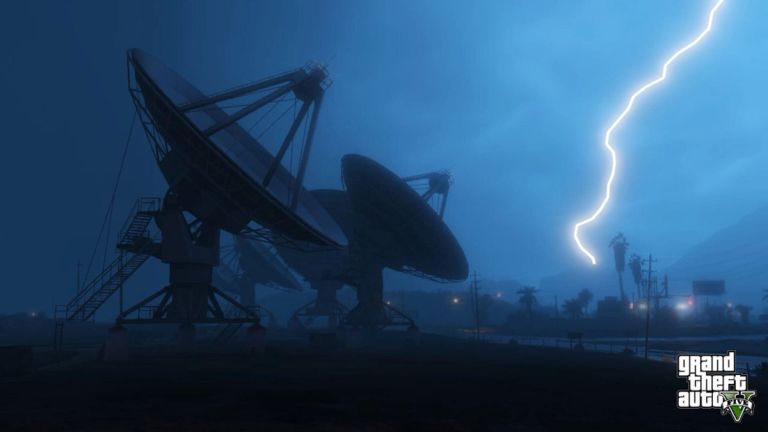
Set in Los Santos and the surrounding region of Blaine County, the game presents a sprawling interpretation of Southern California.
The variety is remarkable.
Players can explore crowded city streets, expensive neighbourhoods, dusty desert settlements, mountain roads, forests and beaches, all within a single interconnected environment.
The world is packed with opportunities for entertainment, from traditional missions and elaborate robberies to races, sporting activities and countless unscripted moments.
One of the game's most significant innovations is its three-protagonist structure.
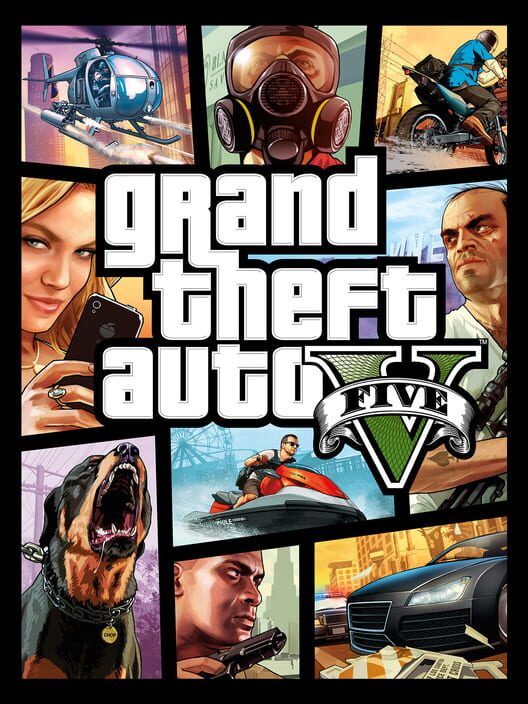
Michael, Franklin and Trevor each bring a distinctive personality, background and perspective to the story.
Michael is a retired criminal struggling with family problems and dissatisfaction. Franklin is an ambitious young man searching for opportunities beyond his existing circumstances. Trevor is an unpredictable and frequently terrifying figure whose behaviour generates much of the game's darker comedy.
Being able to switch between them gives missions additional variety and allows Rockstar to develop an entertaining interconnected narrative.
The heist missions are particularly memorable.
Planning robberies, selecting crew members and coordinating elaborate operations creates a wonderful sense of cinematic spectacle.
The game's presentation remains impressive, too, particularly in its newer versions.
Los Santos feels alive through its traffic, pedestrian behaviour, incidental dialogue and countless environmental details.
Then there's Grand Theft Auto Online.
Launched shortly after the original game, its online component developed into an enormous multiplayer experience featuring heists, businesses, properties, vehicles, competitive activities and an extensive collection of updates.
For many players, GTA Online became an entertainment platform in its own right.
However, the online experience hasn't been without criticism. Its progression systems, monetisation and occasional reliance on repetitive activities have frustrated portions of the player base.
The single-player campaign also has shortcomings.
Some characters lack meaningful development, certain missions are overly scripted, and the game's satire occasionally substitutes exaggeration for genuine insight.
Nevertheless, GTA V remains an extraordinary accomplishment.
Its enormous commercial success and continued popularity have cemented its position among the most significant entertainment releases of the modern era.
2. Grand Theft Auto: San Andreas (2004)
- Released
- 2004
- Developer
- Rockstar North
- Genre
- Shooter / Racing
- Platforms
- XBOX · PS3 · PS4 · Win Phone · Android
- Age
- PEGI 18
- Score
- 90/100
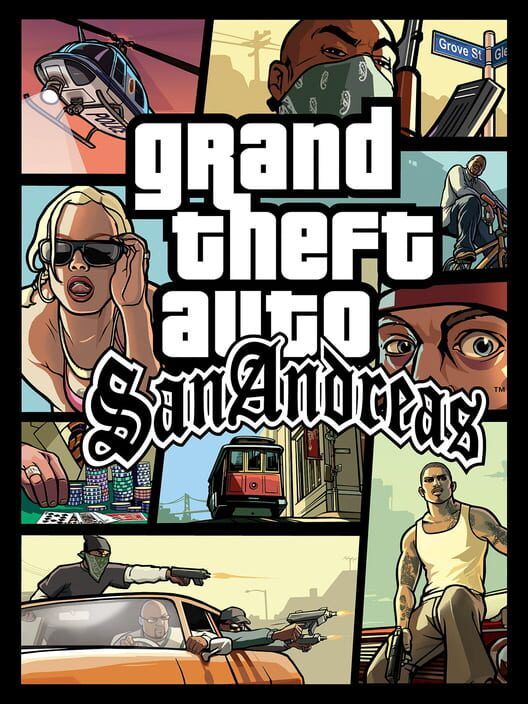
Released in 2004, San Andreas represented the culmination of Rockstar's original 3D GTA trilogy.
It took the foundations established by GTA III and Vice City and expanded them into an adventure of almost unbelievable ambition for the PlayStation 2 generation.
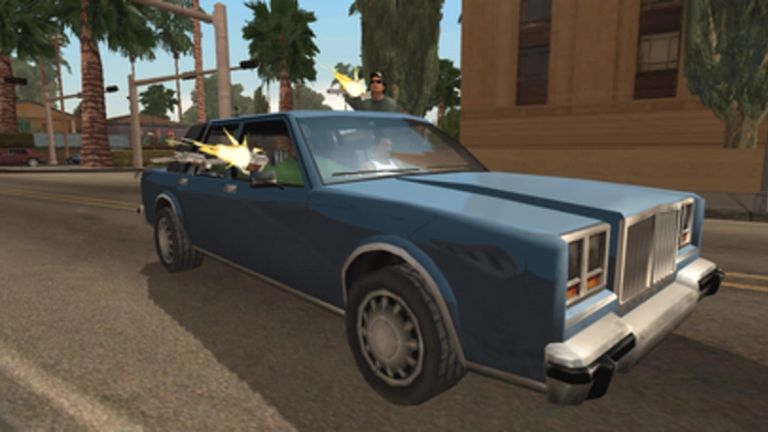
The game follows Carl 'CJ' Johnson, who returns to Los Santos following the death of his mother.
What begins as a story about family, neighbourhood loyalty and gang rivalries gradually expands into a sprawling journey across the fictional state of San Andreas.
The narrative draws inspiration from 1990s American urban culture and crime films, including Boyz n the Hood and New Jack City.
Its supporting cast is outstanding, featuring memorable characters such as Big Smoke, Sweet, Ryder and Officer Tenpenny.
CJ himself remains one of Rockstar's most likeable protagonists, combining humour, ambition and genuine concern for his family.
However, the game's defining achievement is undoubtedly its world.
Rockstar managed to squeeze three substantial cities — Los Santos, San Fierro and Las Venturas — alongside vast stretches of countryside, mountains, deserts and small settlements onto the hardware of its era.
Even today, the variety feels impressive.
Each location offers a distinct atmosphere, encouraging players to explore far beyond the requirements of the main storyline.
The gameplay is equally ambitious.
Players can customise CJ's clothing and appearance, develop driving and weapon skills, exercise, visit gyms, learn different fighting styles, purchase properties and participate in numerous optional activities.
The character's physical condition can even change depending on exercise and eating habits.
These systems give San Andreas a sense of personal progression that remains unusually entertaining.
And that's before considering the vehicles.
Cars, motorcycles, aircraft, boats, bicycles and numerous specialist vehicles make traversing the enormous map a pleasure in itself.
The soundtrack is another masterpiece.
Rockstar assembled a distinctive collection of radio stations covering hip-hop, rock, funk, country and numerous other genres, creating a musical identity perfectly suited to its early-1990s setting.
Of course, the game isn't flawless.
Gunplay is dated, several missions remain notoriously frustrating, and the presentation cannot compete with modern releases.
But technical limitations are only part of the story.
San Andreas achieves something that even later GTA games have occasionally struggled to reproduce: an extraordinary feeling that almost anything might be possible.
Its combination of freedom, variety, memorable characters and sheer ambition makes it one of gaming's defining achievements.
We explored many of these strengths in our original Grand Theft Auto: San Andreas review.
For some players, GTA V will always be the superior game. Its graphics, handling and more sophisticated presentation are difficult to dispute.
For us, however, San Andreas remains the heart and soul of the franchise.
1. Red Dead Redemption 2 (2018)
- Released
- 2018
- Developer
- Rockstar Games
- Genre
- Shooter / Role-playing (RPG)
- Platforms
- Stadia · PS4 · PC · XONE
- Age
- PEGI 18
- Score
- 93/100
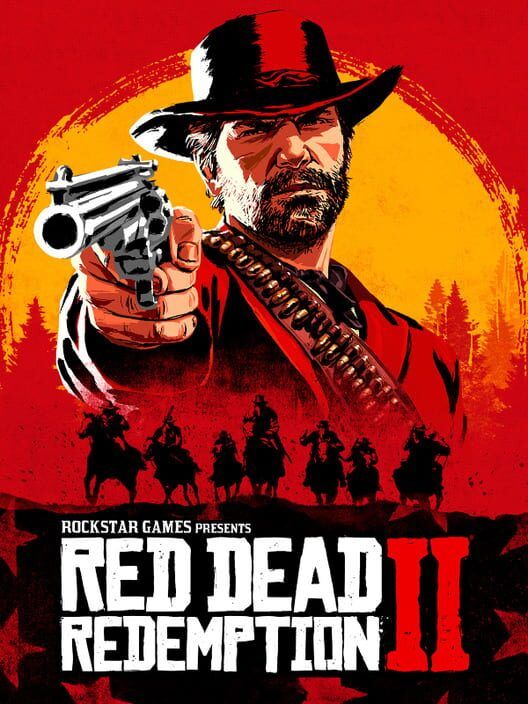
Of all the remarkable games Rockstar has created, Red Dead Redemption 2 stands as its most complete artistic achievement.
Released in 2018, this extraordinary Western adventure combines exceptional storytelling, breathtaking environmental design and an almost obsessive attention to detail.
It's not simply an excellent open-world game. It's an experience that demonstrates just how immersive interactive entertainment can become.
Set in 1899, the story follows Arthur Morgan, a senior member of the Van der Linde gang.
The American frontier is changing.
Industrial development, advancing technology and increasingly powerful law-enforcement organisations threaten the outlaw lifestyle that Arthur and his companions have known for years.
As the gang struggles to survive, tensions emerge between loyalty, personal morality and the increasingly questionable leadership of Dutch van der Linde.
Arthur is an exceptional protagonist.
Initially presented as a hardened outlaw, he gradually reveals a much more complicated personality shaped by loyalty, regret and a growing awareness of his circumstances.
His relationships with fellow gang members provide the narrative with emotional depth, while his personal journey becomes increasingly compelling as the story progresses.
Without revealing the game's most important moments, Arthur's character development is among the finest Rockstar has ever written.
However, storytelling alone doesn't explain why Red Dead Redemption 2 deserves the top spot.
Its world is extraordinary.
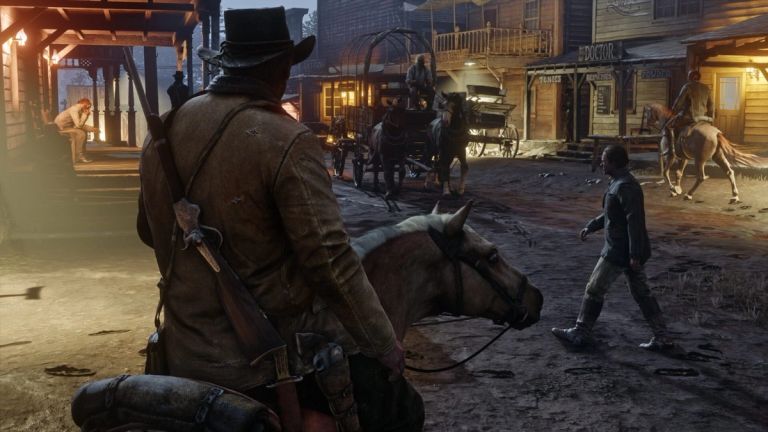
Rockstar created a vast interpretation of the American frontier, incorporating snowy mountains, dense forests, expansive plains, swamps, settlements and bustling towns.
Each environment possesses its own wildlife, weather conditions, characters and atmosphere.
Travelling through these landscapes can be an experience in itself.
You might begin a journey intending to complete a mission, only to become distracted by a hunting opportunity, an unexpected encounter or a particularly beautiful view.
Hours can pass without making significant progress through the main storyline.
And remarkably, that rarely feels like wasted time.
The world encourages curiosity.
Animals behave convincingly within their environments, horses require care, strangers remember encounters, and the game's systems create countless small interactions that contribute to a remarkable sense of authenticity.
The level of environmental detail is staggering.
Mud accumulates on clothing, snow reacts to movement, weather changes the appearance of landscapes, and settlements feel populated by people with their own routines.
Even relatively mundane activities become immersive because the world responds to the player's presence.
The combat system also provides plenty of entertainment.
Gunfights feel weighty and dramatic, while the enhanced Dead Eye mechanic creates opportunities for spectacular cinematic action.
Yet the game's greatest strength may be its willingness to embrace a slower pace.
Unlike many contemporary open-world releases, Red Dead Redemption 2 doesn't constantly demand attention through endless markers, rewards or frantic activities.
Instead, it encourages players to appreciate the journey.
Riding through a forest at sunrise, listening to conversations around the gang's campfire or exploring an unfamiliar town can be as memorable as completing a major story mission.
Of course, this approach isn't for everyone.
The controls can feel cumbersome, movement animations occasionally slow the action, and certain missions enforce strict objectives that contrast with the freedom of the wider world.
Its deliberate pacing may also frustrate players who prefer the immediacy of Grand Theft Auto V.
These are legitimate criticisms.
However, they don't overshadow the remarkable quality of the overall experience.
What truly elevates Red Dead Redemption 2 is the relationship between its characters, story and environment.
The world isn't simply a collection of activities surrounding a campaign. It reinforces the game's central themes of change, loss, loyalty and the passing of an era.
By the time Arthur's journey reaches its conclusion, the setting and characters feel inseparable.
Few games create such a lasting emotional connection.
Even years after release, Red Dead Redemption 2 remains a benchmark for environmental detail, character writing and immersive world-building.
From the moment you step into Arthur Morgan's boots, you're not merely completing missions. You're experiencing another life.
Every journey across the landscape feels like an adventure, every settlement has a story to tell, and every encounter contributes to the illusion of a world existing beyond the player.
It's Rockstar's magnum opus.
Why it deserves the number one spot: An extraordinary combination of storytelling, immersion, world-building and technical craftsmanship that represents the pinnacle of Rockstar's achievements.
What About Grand Theft Auto VI?
No ranking of Rockstar's greatest games in 2026 would feel complete without mentioning its highly anticipated next release.
However, Grand Theft Auto VI doesn't qualify for this list just yet.
As of 12 October 2026, Rockstar has scheduled the game for 19 November 2026, with initial releases planned for PlayStation 5 and Xbox Series X|S.
The game returns players to Vice City and the wider fictional state of Leonida, promising a substantial evolution of the company's established open-world formula.
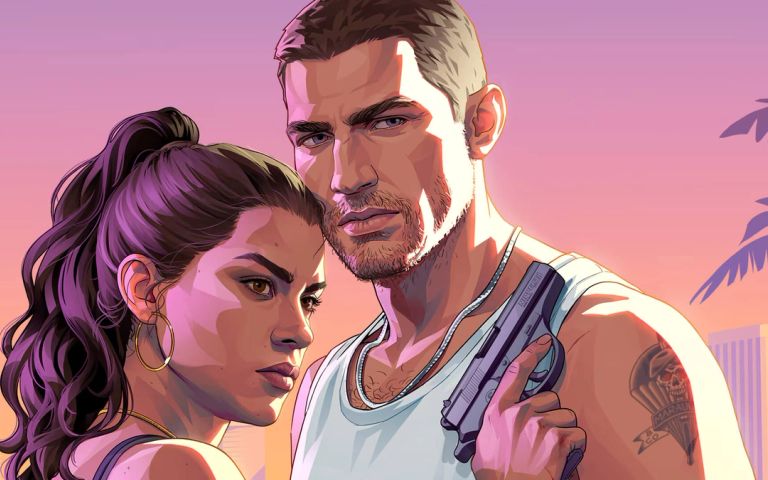
Its protagonists, Jason and Lucia, are at the centre of a criminal story that could introduce a fascinating new dynamic to the franchise.
Expectations are understandably enormous.
After the remarkable success of Grand Theft Auto V and the technical accomplishments of Red Dead Redemption 2, fans are eager to discover how Rockstar will advance its environmental design, artificial intelligence, storytelling and gameplay systems.
But anticipation isn't the same as achievement.
Until players can experience the finished game, there's no meaningful way to compare it fairly with the titles above.
For the latest confirmed information, visit the official Grand Theft Auto VI website.
What Makes Rockstar Games So Special?
Looking back over these 20 titles, several qualities emerge that help explain the company's remarkable reputation.
1. Unforgettable Open Worlds
Rockstar's greatest achievement has arguably been its approach to world-building.
The company rarely creates environments that exist simply to connect one objective with another.
Instead, its cities and landscapes possess distinctive personalities, with elaborate environmental details, memorable locations and numerous opportunities for spontaneous entertainment.
Liberty City, Vice City, Los Santos and the American frontier feel like places players can inhabit rather than merely observe.
2. Memorable Characters and Storytelling
From Niko Bellic's complicated pursuit of a better life to Arthur Morgan's struggle with loyalty and redemption, Rockstar has demonstrated an exceptional understanding of character-driven storytelling.
Its protagonists are frequently flawed individuals whose personalities and motivations develop throughout their adventures.
Even characters who aren't particularly sympathetic can be fascinating to follow.
3. Extraordinary Attention to Detail
Few developers invest as heavily in seemingly insignificant details.
Radio advertisements, pedestrian dialogue, environmental animations, fictional brands and background interactions all contribute to the atmosphere.
These elements might seem relatively minor in isolation, but collectively they create worlds that feel unusually convincing.
4. Creative Risks
It's easy to associate Rockstar exclusively with Grand Theft Auto, but its catalogue demonstrates considerably more variety.
Bully explores school life, L.A. Noire focuses on criminal investigations, Manhunt experiments with stealth horror, and Table Tennis delivers a tightly designed sports experience.
Not every experiment has been equally successful, but the willingness to explore different genres remains admirable.
5. Games That Remain Relevant for Years
Some Rockstar titles have maintained dedicated audiences for decades.
Players still discuss the atmosphere of Vice City, the freedom of San Andreas, the storytelling of GTA IV and the astonishing detail of Red Dead Redemption 2.
That enduring appeal says considerably more about the company's achievements than sales figures alone.
Frequently Asked Questions
What is the best Rockstar game of all time?
Our choice is Red Dead Redemption 2 (2018). Its exceptional storytelling, believable characters, remarkable world-building and extraordinary attention to detail make it Rockstar's finest overall achievement.
However, players prioritising faster-paced action and greater freedom may prefer Grand Theft Auto V or Grand Theft Auto: San Andreas.
What is the best Grand Theft Auto game?
For us, Grand Theft Auto: San Andreas (2004) remains the greatest entry in the series.
Its combination of three substantial cities, extensive customisation, memorable characters and ambitious gameplay systems helped establish a new standard for open-world freedom.
That said, Grand Theft Auto V offers substantially more refined technology and remains an excellent alternative.
What is Rockstar's most underrated game?
The Warriors and Bully are particularly deserving of attention.
Both provide distinctive experiences that demonstrate Rockstar's strengths outside its most commercially successful franchises.
Midnight Club: Los Angeles is another excellent choice, particularly for players interested in open-world racing.
Is Red Dead Redemption 2 better than GTA V?
It depends on what you value most.
Red Dead Redemption 2 offers stronger character development, a more emotionally engaging story and exceptionally immersive world-building.
Grand Theft Auto V, meanwhile, provides faster action, modern vehicles, a more playful sandbox and a substantially different style of entertainment.
We consider Red Dead Redemption 2 the superior overall achievement, although GTA V may be the more accessible choice for players seeking immediate excitement.
Did Rockstar develop Max Payne and L.A. Noire?
Not all of them.
The original Max Payne and Max Payne 2 were developed by Remedy Entertainment, while L.A. Noire was originally created by Team Bondi.
Rockstar published and became closely associated with these franchises. It developed Max Payne 3 through its own studios.
Our ranking includes both Rockstar-developed and Rockstar-published games.
Is GTA VI included in the 2026 ranking?
No. Grand Theft Auto VI is scheduled for release on 19 November 2026, so it hasn't been included in this ranking of released games.
Once available, it may become a serious contender for one of the highest positions.
Final Verdict: Rockstar's Greatest Legacy
Ranking Rockstar's greatest games is never going to produce universal agreement.
For some players, nothing will surpass the atmosphere of Vice City. Others will argue that San Andreas represents the pinnacle of open-world freedom, or that Grand Theft Auto V perfected the modern sandbox.
There's also a compelling argument for the darker storytelling of Grand Theft Auto IV, the originality of Bully and the remarkable cinematic action of the Max Payne series.
That's what makes Rockstar's catalogue so extraordinary.
The company has produced enough influential and critically celebrated games that even compiling a top 20 requires leaving out worthwhile releases.
Yet Red Dead Redemption 2 remains our number one choice.
Its extraordinary world, unforgettable characters and emotional narrative demonstrate what can happen when ambitious technology and exceptional storytelling come together.
As Rockstar prepares to enter another chapter with Grand Theft Auto VI, expectations have rarely been higher.
Whether the next release can surpass the achievements of Arthur Morgan, John Marston, CJ and the countless other memorable characters in Rockstar's history remains to be seen.
One thing is certain: very few gaming companies can boast a legacy quite like this one.

Written by
Kevin TanzaProfessional writer that loves videogames, fiction and Heavy Metal. Probably does too many JoJo references. Just maybe.