In this guide
- Industry Pressure Isn't Just Coming From Players
- How Mobile Gaming Has Influenced Casino Design
- Shorter Gaming Sessions and Changing Entertainment Habits
- Casino Games Are Becoming More Accessible
- How Live Casino Technology Is Evolving
- Personalisation and Engagement Features
- Responsible Gambling Is Becoming a More Important Design Consideration
- What Comes Next for Online Casino Games?
Online casino gaming has undergone significant changes over the past decade. While improvements in graphics, game variety and technology have played an important role, another major influence has been the changing expectations of players.
Today's audiences are accustomed to digital entertainment that loads quickly, works smoothly across devices and offers intuitive controls. Whether accessing a mobile game, watching a livestream or exploring an online casino platform, users increasingly expect convenience and accessibility.
For casino game developers, these expectations have encouraged a renewed focus on usability, mobile performance and game design. However, the industry must also balance engaging experiences with responsible gambling practices and regulatory requirements.
As online entertainment continues to evolve, casino gaming provides an interesting example of how established gaming formats are adapting to modern consumer habits.
Industry Pressure Isn't Just Coming From Players
One misconception about modern casino game development is that innovation is driven entirely by player preferences. In reality, developers and operators face pressure from several directions, including technological advances, changing regulations and increased competition.
Streaming platforms, gaming communities, review websites and comparison tools have changed how consumers discover and evaluate digital entertainment.
Rather than choosing a platform based solely on its advertised game selection, users can investigate factors such as mobile compatibility, available features, payment methods, licensing and customer support.
Many players also rely on independent resources before choosing where to play. Platforms like PlayMichigan help users compare regulated online casino options, understand available promotions and identify licensed operators. These resources make information more accessible, allowing consumers to evaluate different platforms before making a decision.
For casino operators, this greater transparency creates additional competitive pressure.
Offering hundreds of games is no longer necessarily enough to distinguish a platform. Navigation, accessibility, technical reliability and clear information about gambling conditions are also important considerations.
How Mobile Gaming Has Influenced Casino Design
The growth of mobile gaming has transformed expectations across the wider entertainment industry.
Smartphones have made it possible to access games without dedicated consoles or gaming computers. Consequently, developers have increasingly prioritised interfaces that work effectively on smaller screens.
Online casino developers face many of the same design challenges as traditional mobile game studios.
Games must display correctly across different screen sizes, respond reliably to touch controls and maintain consistent performance across supported devices.
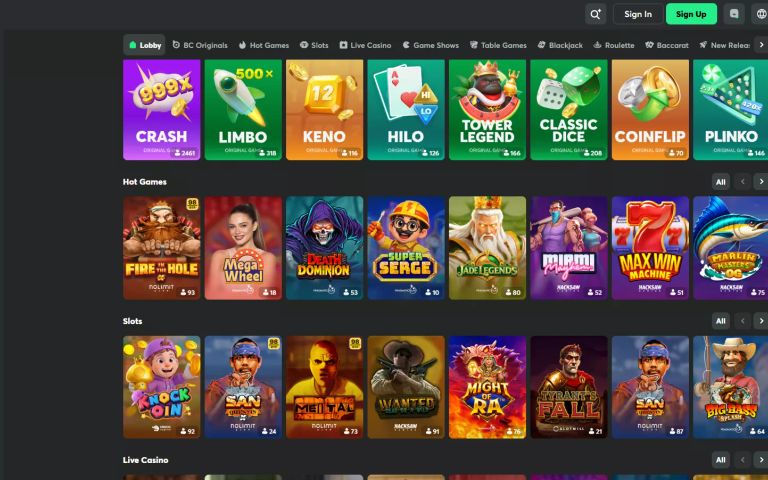
Modern casino interfaces increasingly incorporate features such as:
- Responsive layouts designed for smartphones and tablets
- Clear menus and simplified navigation
- Faster loading times and reduced technical interruptions
- Touch-friendly controls and readable information
- Consistent experiences across desktop and mobile platforms
These improvements are primarily about usability rather than changing the underlying probabilities or outcomes of casino games.
For example, a slot game may feature a more accessible interface while retaining the same fundamental mechanics.
The broader objective is to reduce unnecessary technical barriers and make games easier to understand.
Shorter Gaming Sessions and Changing Entertainment Habits
Modern digital entertainment offers audiences more choices than ever before.
Mobile games, streaming services, social media and online multiplayer experiences all compete for people's time.
This has encouraged developers across the gaming industry to consider how their products function during shorter periods of use.
Some casino games are naturally suited to brief interactions because their core mechanics are relatively straightforward. Digital slots, roulette and certain card games can be accessed without the lengthy tutorials or complex progression systems associated with some traditional video games.
However, it would be misleading to suggest that all casino players prefer shorter sessions or that session lengths are universally declining.
Preferences vary considerably depending on the individual, the game format and the platform.
For developers, the challenge is therefore to accommodate different usage patterns without unnecessarily complicating the experience.
Importantly, shorter individual rounds do not automatically mean safer gambling. Rapid or repeated play can still contribute to harmful behaviour, making responsible design and appropriate safeguards essential.
Casino Games Are Becoming More Accessible
Accessibility has become an increasingly important consideration throughout the gaming industry.
Developers are paying greater attention to how players interact with menus, understand instructions and navigate different features.
In online casino gaming, improvements may include clearer descriptions of game rules, more readable interfaces and better compatibility with different devices.
Some platforms also provide demonstration modes that allow users to familiarise themselves with game mechanics without wagering real money.
These features can help users understand how a game operates before deciding whether to participate.
Accessibility should also extend to important information about gambling risks.
Clear explanations of betting limits, game rules, return-to-player percentages and responsible gambling tools can help consumers make more informed decisions.
Rather than simply making games easier to access, effective design should make the experience easier to understand.
How Live Casino Technology Is Evolving
One of the more noticeable technological developments in online casino gaming has been the growth of live dealer experiences.
Unlike conventional digital casino games, live dealer titles use video streaming to connect players with physical tables and human dealers.
The format combines elements of traditional casino gaming with technologies commonly associated with livestreaming and interactive entertainment.
Improvements in internet connectivity, video compression and mobile hardware have helped make these experiences more accessible across supported devices.
Developers have also introduced features such as multiple camera angles, interactive interfaces and alternative presentation formats.
Some live casino games incorporate game-show-style elements, including themed environments and additional visual effects.
These developments illustrate how casino entertainment has adopted technologies already familiar to audiences through streaming platforms and other digital media.
However, technical improvements do not alter the fundamental financial risks associated with gambling.
Personalisation and Engagement Features
Personalisation has become a prominent feature of modern digital entertainment.
Streaming services recommend programmes based on viewing habits, while video games frequently offer customised interfaces, seasonal content and progression systems.
Online casino platforms have adopted some comparable technologies.
Depending on the operator and applicable regulations, these may include:
- Personalised game recommendations
- Customisable account interfaces
- Seasonal events and themed content
- Loyalty programmes and promotional offers
- Notifications about platform updates
These systems can help users navigate extensive game libraries and discover relevant content.
Many of today's online casino experiences borrow ideas from the wider gaming industry, including progression systems, personalised recommendations, seasonal promotions and regular content updates.
However, engagement mechanics require particular care when applied to gambling.
Unlike conventional video game progression, casino participation involves the possibility of financial loss.
Features designed to encourage repeat visits or prolonged engagement can raise concerns if they encourage excessive gambling.
Responsible operators must therefore consider how promotional systems interact with player protection measures and the regulations governing their markets.
Responsible Gambling Is Becoming a More Important Design Consideration
Technological innovation is only one part of the changing casino gaming landscape.
Regulators and consumer protection organisations have increasingly focused on how gambling platforms communicate risks and support users who may experience gambling-related harm.
Depending on the jurisdiction, licensed operators may be required to provide tools and protections such as deposit limits, self-exclusion options, account activity information and safer gambling messaging.
Some platforms also offer session reminders and other controls intended to help users monitor their activity.
These measures are particularly relevant as casino games become more accessible through mobile devices.
Convenient access should not come at the expense of player wellbeing.
Developers and operators need to consider how interface design, promotional mechanics and account features may influence gambling behaviour.
This creates an important distinction between innovation in conventional video games and innovation in gambling products.
A feature that encourages longer engagement in a traditional game may require additional scrutiny when real-money wagering is involved.
What Comes Next for Online Casino Games?
The next stage of casino game development is likely to be influenced by several wider technological trends.
Mobile optimisation will remain important as developers work to support different devices and connection speeds.
Improved streaming technologies may also create opportunities for more interactive live dealer experiences.
Artificial intelligence could play a growing role in areas such as customer support, content discovery and identifying potentially harmful gambling patterns, although its applications will depend on regulatory requirements and the effectiveness of individual systems.
Meanwhile, improvements in accessibility and interface design may help make game information clearer and easier to navigate.
Not every emerging technology will necessarily become a lasting feature of online casino gaming. Developers must consider costs, consumer demand, security and regulatory obligations before introducing new systems.
Ultimately, the future of casino gaming will depend on more than delivering visually impressive games or expanding content libraries.
Platforms will need to balance technical performance, accessibility, transparency and responsible gambling practices.
As expectations continue to evolve, the developers best positioned to adapt will be those that understand both the opportunities and responsibilities associated with modern digital entertainment.