By
In this guide
- Key takeaways
- 1. Community and chat turn a stream into a shared room
- 2. Parasocial connection makes familiar creators feel close
- 3. Entertainment personalities make the game only half the show
- 4. Streams offer live learning and visible skill
- 5. Esports and live events make every result matter now
- 6. Watching is a low-risk way to discover a game
- 7. Phones, consoles and TVs make viewing fit everyday life
- 8. Interactivity and rewards give viewers a reason to stay
- 9. Platform competition gives creators and viewers more choice
- By the numbers: live viewing in Q2 2026
- The streaming moments that became shared history
- The UK viewing angle
- The downsides deserve the same live attention
- What happens next?
- Frequently asked questions about video game streaming
Video game streaming is popular because it combines a game, a performer and a live audience in one place. The scale is not just a feeling: Stream Hatchet counted 17.5 billion hours of livestream viewing in Q2 2026, with TikTok Live alone accounting for 8.9 billion. Those totals cover broad live content, not only gameplay, so they should not be mistaken for a gaming-only audience. But they do show how ordinary it has become to watch events unfold with other people, rather than wait for a polished video.
The short answer to “why is video game streaming so popular?” is that watching is active without being demanding. You can follow a match, pick up a technique, laugh at a creator’s reaction, talk in chat or leave the stream on while doing something else. Familiar voices, running jokes and shared events can turn a click into a habit. The game matters, but the relationship around it is often what keeps people coming back.
Key takeaways
- Live chat makes watching feel shared, even when viewers are at home alone.
- Creators supply personality, routine and expertise that a game trailer cannot.
- Streams let people learn, follow competitive play and discover games in real time.
- Mobile apps, consoles and connected screens make live viewing easy to fit around the day.
- Platform figures depend on what each tracker counts; compare periods and definitions carefully.
1. Community and chat turn a stream into a shared room
A video is usually finished before you see it. A stream is still happening: the creator makes a decision, the audience reacts, and the next moment may change because of that reaction. Chat supplies a second performance alongside the game. Viewers answer one another, invent emotes, repeat familiar phrases and build rituals around a channel. That social layer separates watching gameplay from spending an evening with a community.
A peer-reviewed 2017 questionnaire of 1,097 Twitch users by Sjöblom and Hamari linked social, affective and tension-release motives to longer viewing; social motivation was the strongest predictor of subscribing. It describes surveyed users at that time, but helps explain the appeal. Our streamer directory and live-streaming coverage show how different channels build their own rooms. The study sets out its methods.
2. Parasocial connection makes familiar creators feel close
Many viewers return for the person behind the controller. A creator’s voice, habits and long-running stories become familiar through repeated broadcasts. That can create a sense of companionship: the stream is on during dinner, after work or while a viewer studies, and the creator’s presence gives the routine a social texture. This is not the same as a two-way friendship. The audience may know a great deal about a public persona while the creator knows very little about any one viewer.
Live interaction complicates that boundary. A message may be read aloud, a poll may choose the next game, or a regular may be greeted by name. A reply can feel personal even when the creator does not know the viewer. The distinction matters: streams can offer companionship, but the relationship remains one-sided unless both people actually know one another.
3. Entertainment personalities make the game only half the show
A compelling stream is rarely just an unedited run through a game. It is commentary, timing, jokes, stories, reactions and improvisation layered over play. When a match goes wrong, the creator’s response may be more entertaining than the match itself. Variety creators can move from a new release to a conversation with chat without losing the audience, because people are following a personality as well as a category. That is why a stream can remain watchable even when the viewer does not own the game or understand every mechanic.
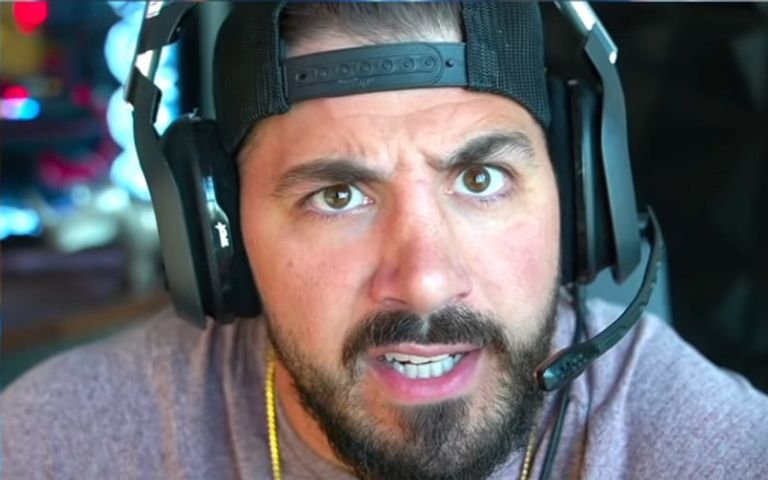
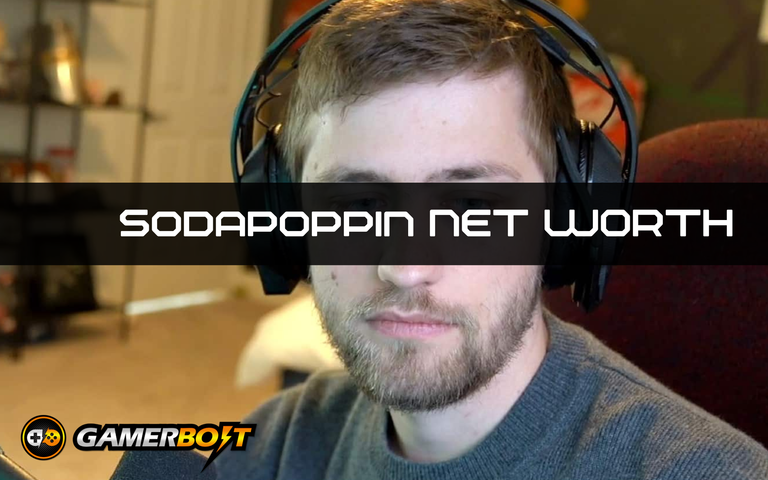
Different personalities invite different viewing styles. PewDiePie is a familiar example of creator-led gaming video; SodaPoppin is associated with variety entertainment; and AuronPlay built a Spanish-language audience around commentary and humour. xQc is known for marathon variety streams. Their styles differ, but each gives viewers a recognisable point of view to return to.
4. Streams offer live learning and visible skill
For players, a skilled broadcast can be a lesson delivered when a decision matters. Viewers see positioning, timing, equipment choices and reactions to mistakes, then compare them with their own. Beginners can learn game systems; experienced players can study high-level matches; fans can ask questions that would not fit a short tutorial.
The learning loop works best when the creator makes expertise legible. Competitive players discuss a map, a loadout or a team call; builders show how a project develops; speedrunners explain routes and resets. NickMercs is an example of a creator associated with competitive shooter audiences, while the Fortnite hub gives readers a route into the game itself. For anyone on the other side of the camera, our guides to broadcasting on Twitch and live-streaming games cover the practical set-up.
5. Esports and live events make every result matter now
Live competition adds stakes that a replay cannot reproduce. A final round, comeback or tournament upset is uncertain until it happens, and chat lets viewers experience the swing together. Major broadcasts give fans a shared calendar of qualifiers, finals, team rivalries and creator-led events.
The format is broader than professional esports. Creator boxing, charity streams, game launches and community tournaments all share a deadline, a cast of personalities and an outcome nobody can fully script. GamerBolt’s guide to Twitch’s rise as an esports platform explores that history. Minecraft and Grand Theft Auto V also generate watchable events outside conventional tournaments, from challenge runs to role-play storylines.
6. Watching is a low-risk way to discover a game
A live broadcast is a vivid preview. Instead of a short trailer, a potential buyer can see a mission, an awkward menu, a multiplayer queue and how a game feels after the novelty wears off. Viewers can compare creators, ask about features and watch others react. A stream is not a full review, and one session cannot promise every player will enjoy a game.
Discovery also runs in the other direction. A creator’s audience can make an older game feel new again, or draw attention to a mode that a publisher’s marketing did not foreground. Long-lived games remain useful streaming material because they support distinct play styles, viewer challenges and continuing community stories. Streamers can test a game in public while viewers decide whether to join in, watch more or move on.
7. Phones, consoles and TVs make viewing fit everyday life
Streaming no longer requires sitting at a desk beside a gaming PC. A viewer can open an app on a phone, watch on a console or put a broadcast on a connected television. The screen changes the kind of attention a stream receives: a phone suits quick check-ins and chat; a larger screen can make a tournament or creator event feel like a shared night in. This flexibility helps live content compete with music, podcasts and other video for the spaces between planned activities.
The same flexibility matters to creators. A basic stream needs a console, microphone and reliable connection; more elaborate productions add cameras, overlays and lighting. Our guide to live-streaming encoders covers the gear, but viewers return for subject and personality, not the most expensive desk. The British Twitch streamer guide helps find local voices; the history of Twitch and what Twitch is explain the platform’s place in media.
8. Interactivity and rewards give viewers a reason to stay
Chat is only one way to participate. Polls, channel points, predictions, community challenges and in-game rewards can turn passive minutes into small decisions. Twitch Drops are a clear example: in July 2026, Twitch’s Summer Drops Fest involved more than 45 games, with eligible rewards tied to watching or subscribing. A Drop is not a reason to watch every stream, and campaigns are limited by publisher rules, but the mechanic makes viewing feel connected to playing.
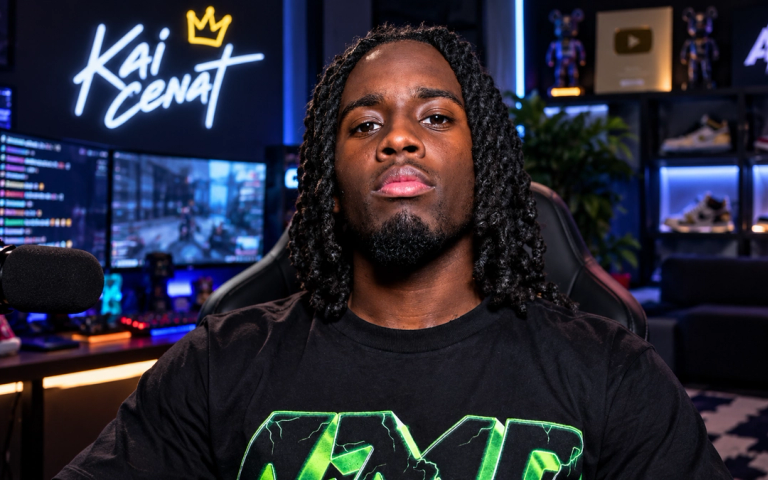
Subathons use audience support to extend a broadcast, sometimes into a multi-day event. The shared countdown can be exciting, but also pressures creators to manage rest and boundaries. During Mafiathon 3, Kai Cenat’s channel reached 1,095,265 subscribers on 30 September 2025. That is a subscriber count, not simultaneous viewers, and it is not typical of most channels. Kai Cenat is a prominent example; Guinness World Records confirms the milestone.
9. Platform competition gives creators and viewers more choice
Twitch, YouTube Live and Kick do not offer identical viewing cultures, discovery systems or creator deals. Competition gives streamers reasons to experiment with schedules, formats and where they simulcast; it gives viewers more ways to find a preferred mix of chat, clips, archives and live events. Platform choice is also imperfect: a creator may build a community on one service and discover that its rules, reach or business model no longer fit. Audiences often follow people across platforms, while the live experience itself changes with each app.
The Q2 2026 report and Dot Esports’ breakdown of its platform figures illustrate the scale of that competition. They also show why a single “streaming market share” number can mislead: trackers use different platform sets and definitions, and YouTube Gaming is not the same measure as all YouTube Live content. A large platform can dominate total hours while a smaller community offers the creator or niche a viewer wants.
By the numbers: live viewing in Q2 2026
These figures cover April to June 2026. Stream Hatchet reported 17.5 billion hours across its tracked livestreaming services; the rows below are not a like-for-like measure of gameplay alone. TikTok Live includes broad live content, while YouTube Gaming is a gaming-specific measure. Treat them as a view of platform scale, not a ranking of game-streaming hours.
| Platform | Hours watched | Period and scope | Source |
|---|---|---|---|
| TikTok Live | 8.9 billion | Q2 2026; all livestream categories | Stream Hatchet |
| Twitch | 4.5 billion | Q2 2026; platform live viewing | Dot Esports, citing Stream Hatchet |
| YouTube Gaming | 1.8 billion | Q2 2026; gaming-specific viewership | Dot Esports, citing Stream Hatchet |
| All tracked services | 17.5 billion | Q2 2026; Stream Hatchet’s reported total | Stream Hatchet |
Reported platform hours watched in Q2 2026; tracker definitions differ
The takeaway is not that one service has “won”. The figures are a snapshot, not a complete census: tracker methods and platform definitions change, and the same service can publish different totals under different scopes. Live viewing supports gaming broadcasts, vertical video, esports, creator chat and entertainment events at once.
The streaming moments that became shared history
A record stream is a useful illustration of live attention because the audience is present for the same uncertain moment. On 11 January 2021, TheGrefg’s Fortnite Icon Series reveal reached 2,468,668 concurrent viewers, according to Guinness World Records. The scale came from a recognisable creator, a game with a global audience and a reveal that viewers wanted to see at once. It was not just a large number: it was a moment that could not be watched live after it had already happened.
Kai Cenat’s subathons show a different kind of event. Rather than concentrating attention in a single reveal, the format stretches a stream over a long period and turns subscriber milestones into a collective countdown. Guinness records 1,095,265 channel subscribers on 30 September 2025, at the end of Mafiathon 3. The record demonstrates how a creator’s community can mobilise around a shared goal; it does not tell us how many people watched simultaneously or how representative the event was of ordinary streams.
Ibai Llanos’s La Velada del Año shows how a creator can build a live spectacle around sport, music and internet personalities. Streams Charts reported 9,334,179 peak viewers for the fifth edition on 26 July 2025, with the peak during the first bout. The previous edition had also set a personal record, but the fifth event more than doubled it. That kind of jump is exceptional; the broader lesson is that a stream can borrow the anticipation of a sporting final and the access of creator media, while chat lets an online audience react together.
The UK viewing angle
Ofcom’s May 2026 research offers a useful UK snapshot, while making clear that livestreaming is broader than gaming. Among surveyed children aged 8–17, 49% said they had watched a livestream live and another 22% had watched one but not in real time. Among livestream viewers, 72% reported at least one interactive behaviour. These are self-reported figures about livestreams generally, not a measurement of UK video-game-stream audiences or a platform ranking.
That distinction matters in Britain, where a child may use the same phone for a game stream, creator chat, a music event or a short clip. Ofcom’s research is context for live-media habits, not proof that every viewer watches games. Adults may follow an esports final or catch a familiar British creator after work.
The downsides deserve the same live attention
The features that make streams feel close can also create pressure. A creator is visible for hours, audiences can expect constant access, and chat can turn a private mistake into a public pile-on. Ofcom’s 2026 child survey found that 46% of children who created livestreams selected at least one dislike involving feeling uncomfortable, worried, scared or exposed to unwanted comments. The figure is about children who livestreamed their own videos, not all game-stream viewers, but it underlines why moderation, privacy settings and time away matter.
Monetisation needs context. Subscriptions, gifts and time-limited rewards can support creators, but a countdown can make spending feel urgent. Ofcom reported that 18% of child livestream viewers had spent money or sent gifts. The figure does not make every purchase harmful, but viewers and families should understand what a button does. Late-night viewing can also crowd out rest and offline connection; healthy communities make room for boundaries.
What happens next?
The next phase will be shaped by distribution as much as games. Platforms compete for live hours; creators try vertical video, co-streams and multi-platform events; publishers use drops and reveals to connect watching with playing. None guarantees a loyal audience: features work best when they serve a clear event or community.
The durable appeal is simpler: a person is doing something live, other people are there, and the outcome is still open. A new platform can change the tools, a new game can supply a fresh setting, and a record-breaking event can briefly pull millions into the same moment. But viewers return for consistency, curiosity and a sense that their presence matters. That combination explains the staying power better than any one game, device or algorithm.
Frequently asked questions about video game streaming
Why do people watch video game streams instead of playing?
Watching can be easier than playing, and it offers commentary, community, humour or high-level skill that viewers may not get from their own session. Some people watch to learn or to keep up with an event; others prefer the creator’s company to controlling the game.
What makes a gaming stream entertaining?
A strong stream usually combines a clear activity with a recognisable personality, understandable commentary and some way for viewers to participate. The game can provide suspense, but the creator’s reactions and the audience’s shared conversation often make the broadcast distinctive.
Which platform is biggest for live streaming?
It depends on the period and what is counted. Stream Hatchet’s Q2 2026 figures put TikTok Live at 8.9 billion hours watched, Twitch at 4.5 billion and YouTube Gaming at 1.8 billion. Those measurements have different content scopes; YouTube Gaming is not all YouTube Live.
Do viewers learn from watching streamers?
They can. Streams expose decisions, strategies and mistakes as they happen, and viewers can ask questions in chat. Learning is not automatic: a stream may be entertainment first, and a single creator’s approach may not suit every game mode or player.
How do gaming streamers make money?
Depending on the platform and creator, revenue can come from subscriptions, ads, viewer gifts, sponsorships, affiliate sales, donations or event work. These income sources vary, and viewer counts or subscription milestones do not reveal a creator’s total earnings.
Are livestreams suitable for children?
Suitability depends on the creator, game, chat and child. Ofcom’s 2026 UK research found both social and entertaining benefits and concerns about unwanted comments and spending. Families can review age guidance, privacy and moderation settings, and discuss how gifts or subscriptions work.

Written by
Jessica ThompsonAs a dedicated gaming journalist with over five years of experience, I've immersed myself in the ever-evolving world of video games. Currently, I contribute to Gamerbolt.com and PS6news.com, where I cover the latest in gaming news, in-depth game reviews, and industry trends. At Gamerbolt.com, I've had the privilege of shaping content strategies, writing comprehensive articles, and engaging with a passionate community of gamers. My role involves not only crafting engaging narratives but also staying ahead of the curve with the latest gaming innovations and upcoming titles.