


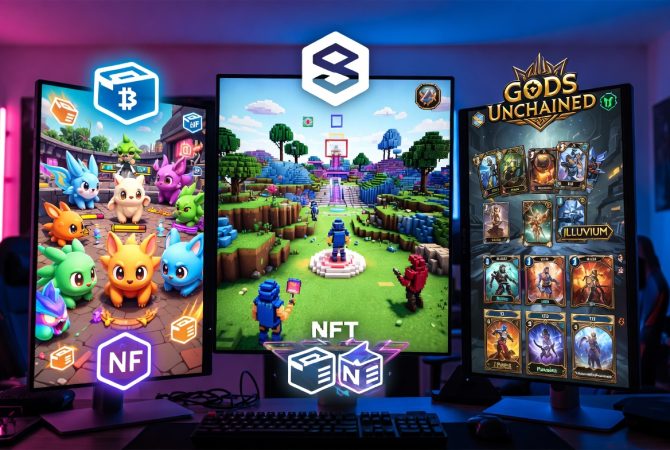

Web3 games had a rough first impression with normal players.
A lot of them felt like crypto projects wearing a game skin. Before you could even see if the game was fun, there was talk about wallets, tokens, gas fees, seed phrases, NFT floors, and marketplaces. Some people liked that. Most players just wanted to load in, play something decent, and not feel like they had opened a trading app by mistake.
That is the bit Web3 games seem to be fixing in 2026. The better ones are not shouting about blockchain first. They are trying to feel like games first, then letting the crypto part sit quietly in the background.
The New Rule Is Simple: Make the Game Worth Playing
The early Web3 pitch leaned hard on ownership.
You could own a weapon, sell a skin, trade a card, or move an item outside the game. On paper, that sounded useful. In practice, players still had the same question: is the game actually good?
Owning a boring sword in a boring game is still boring.
That is why the stronger 2026 projects are focusing more on the stuff players notice right away. Shooting needs to feel sharp. Racing needs speed and control. Card games need good balance. RPGs need progress that feels worth the time. Mobile games need to load fast and not drain the phone in ten minutes.
The blockchain part can help later, but it should not be the main pitch. If the game feels slow, clunky, or empty, no wallet feature will save it.
Regular players are not against new tech. They just do not want the tech to get in the way of playing.
Wallets Are Finally Less of a Headache
The old Web3 sign-up flow scared a lot of people off.
You would hear about a new game, open the site, then get hit with wallet setup before anything fun happened. Install this. Save that phrase. Choose a chain. Move funds. Sign a message. Pay a fee. Hope you did not click the wrong thing.
That is a lot to ask from someone who only wanted to try the tutorial.
Newer Web3 games are starting to hide the awkward parts better. Some let players sign in with email, Google, or Apple. Some create a wallet quietly in the background. Some let players play first and deal with the crypto side later, only if they actually care.
That is much closer to how games should work.
If a player can start in a few clicks, the game has a chance. If the first five minutes still feel like setting up a finance account, most people will leave before the first match.
Gasless actions help too. Claiming a reward, moving an item, or trading something should not stop the whole session for a tiny fee. Those things need to feel like normal game menus, not payment forms.
Crypto Casino Games Show the Same Trust Problem
Casino games sit close to this same debate, because trust is also built into the software.
Some crypto casinos now use provably fair games, where players can check that a result was not changed after the bet. That is a useful idea because it turns trust into something players can inspect, not just something the site promises.
Payments are another part of that. For crypto casino players, Ethereum is often one of the clearest ways to deposit and withdraw because it is widely supported, easy to track on-chain, and familiar to many crypto users.
That is why niche comparison sites have started to appear around specific coins. For example, we found this site, EthereumCasinoGambling, that focuses specifically on Ethereum gambling, including game choice, banking checks, and a list of top ETH casinos for players who want casinos built around ETH deposits and withdrawals.
The lesson for Web3 games is similar. If money, assets, or trading are involved, players need clear rules. They need to know what they own, where it goes, what it costs, and what happens if they stop playing.
Players Want Ownership Without Homework
The best Web3 feature is still ownership, but it needs to be explained better.
Players already understand digital items. They buy skins, battle passes, emotes, mounts, cards, weapons, and cosmetics all the time. The pain point is that most of those items stay locked inside one game or one account.
Web3 can make that better, at least in theory.
A skin could be sold later. A card could move through a marketplace. A rare item could stay in a wallet after the game shuts down. A player could prove that a certain reward came from a real event or season.
But the hard truth is this: ownership only matters if the item has a reason to exist.
A dull NFT sword is still dull. A great weapon with history, use, rarity, and demand is more interesting. Web3 games need fewer empty collectibles and more items players care about because they earned them.
Play-to-Earn Had to Grow Up
Play-to-earn brought people in, but it also caused damage.
Some games started to feel less like games and more like low-paid jobs. Players joined for tokens, not fun. When the token price fell, the player base fell with it.
That model was never going to keep normal gamers happy.
The better idea now is player value, not wage chasing. A game can reward skill, time, crafting, trading, or rare achievements without pretending everyone will make money. That is a healthier pitch.
Games should say: play because it is fun, keep value where it makes sense, and trade items if you want.
That is much easier to trust than “play this and earn forever,” which always sounded too good anyway.
Big Games Are Hiding the Blockchain Part
One of the smarter moves in 2026 is making the crypto layer quieter.
Players may not mind blockchain if it does not interrupt the game. They may accept on-chain items if they do not need to learn every chain name first. They may trade assets if the marketplace feels safe, simple, and optional.
Off The Grid is a good example of the new pitch. It’s a cyberpunk battle royale shooter, with looting, gunfights, cyberlimbs, and a live game world. The Web3 part is there, but the front door is still action.
That matters because most gamers do not wake up wanting “blockchain utility.” They want a good game night.
If Web3 can stay useful without shouting, it has a better shot.
Mobile Will Decide a Lot
Web3 games also need mobile players.
That does not mean every game should become a tap-to-earn grind. It means the phone is where many players already manage accounts, payments, social logins, wallets, and short sessions.
A good mobile Web3 game needs fast loading, clear menus, simple signing, and no weird wallet panic. It also needs to respect battery life and data use, because nobody keeps a game that cooks the phone.
Mobile also fits lighter ownership. A player might trade a card, claim a reward, list a skin, or check a marketplace from their phone. That makes Web3 feel less like a PC-only hobby.
The catch is quality. Mobile players are quick to delete games that feel cheap or pushy. Web3 games have to earn space on the home screen.
The Market Is Quieter, and That May Help
Web3 gaming feels less loud in 2026.
That might be a good thing. The hype wave brought too many weak projects, empty roadmaps, and trailers that promised more than the games could deliver. A quieter market can force studios to build better products.
If fewer people care about buzzwords, the games must stand on gameplay.
That is what regular players were asking for all along. Do not start with token talk. Start with the reason someone should play for 30 minutes, then come back tomorrow.
If the answer is only “you might earn,” that is not enough anymore.
