


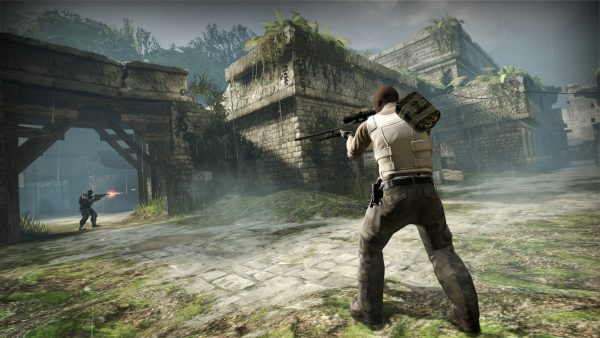

Competitive shooters have grown into full social spaces where style matters as much as aim. Weapon skins, stickers, and profiles help players show taste, loyalty, and skill. Around that culture, CS skins turned into a kind of hobby collection, trade scene, and talking point on streams. Many players first met the idea of CS:GO Gambling when they saw creators open flashy cases on video. Over time, the real story became less about risk and more about how virtual items shaped the way we follow and enjoy the game.
How CS Skins Became Status Symbols In Match Lobbies
When skins first appeared, they felt like small rewards, a neat way to add color to long grind sessions. Over time, they became symbols of taste and history. A rare knife or a classic rifle pattern can say more about a player than their rank badge. Friends remember the first drop that made a lobby go silent. Streamers build whole brands around a single loadout. The skin scene turned the scoreboard into a stage, where every round shows off both skill and style.
From Simple Drops To A Full Trading Ecosystem
What started as random drops and case rewards grew into a busy trade network. Players began to swap items, compare patterns, and learn price trends. Community markets and third-party platforms turned skins into a hobby that rewards knowledge. People track float values, sticker combos, and wear levels. Many players log in not only to queue for matches, but to check offers and tweak their inventory. The game client became a gateway to a wider world of digital collecting.
Why Skins Make Esports More Fun To Watch
Esports broadcasts feel richer when viewers care about more than the score. Skins help bridge that gap. Fans copy the loadouts of their favorite pros, then bring those looks into their own matches. A big play with a famous knife or a team stickered rifle can spark waves of clips and screenshots. Viewers who own similar items feel closer to the action. The match becomes a showcase not only of tactics, but of the shared culture that lives in every inventory.
Streamers, Case Hype, And Shared Reactions
Content creators gave skins a life of their own. Case openings, trade-up attempts, and inventory tours turned into regular shows. The real hook is not the outcome, but the reaction. Viewers spam chat, call out patterns, and cheer for clean designs. People remember where they were when a streamer unboxed a dream item. These moments help new players learn skin names and values. They also build a sense of shared history, where rare pulls become part of the channel story.
How Platforms Turn Skin Play Into A Smooth Experience
Third party platforms saw that players wanted more control over how they use and enjoy their items. Many sites now focus on clear layouts, fast deposits and withdrawals, and support for a wide range of skins. They aim to reduce friction so that experienced users can move from match to inventory management without stress. Good design matters here. When menus feel simple and fair, players can focus on the fun parts, like building themed loadouts or testing new looks.
Balancing Skins, Time, And Personal Limits
As skins gained value, players had to think more about limits. It is easy to lose track of time while browsing offers or watching long streams. Many people now set clear rules for themselves. They decide how much they want to spend on cosmetics each month, and how much time they want to give to trading or case content. This kind of plan keeps the hobby in a healthy place. The goal is to enjoy the look and story of items without turning them into a source of pressure.
Age, Access, And Community Guidance
The skin scene also raised questions about age and access. Some parts of the wider item world suit adults only, and platforms often set age checks and regional rules. Within the community, older players can help by talking openly about risk and value. Simple advice, like not chasing losses or not treating items as savings, can protect younger fans. Clear talk from streamers and writers helps set a tone where style and fun come first, and where respect for limits feels normal.
Why Skins Still Matter In A New Era Of Shooters
New shooters launch every year, yet CS skins keep a strong place in gaming culture. They carry years of stories, from early case openings to major finals. They also show how digital items can shape the way we watch, talk, and play. For many fans, a favorite rifle or knife feels like a long term partner in ranked games. As platforms refine how we trade and show off these items, the heart of the scene stays the same, a shared love of style, memory, and competition.
