


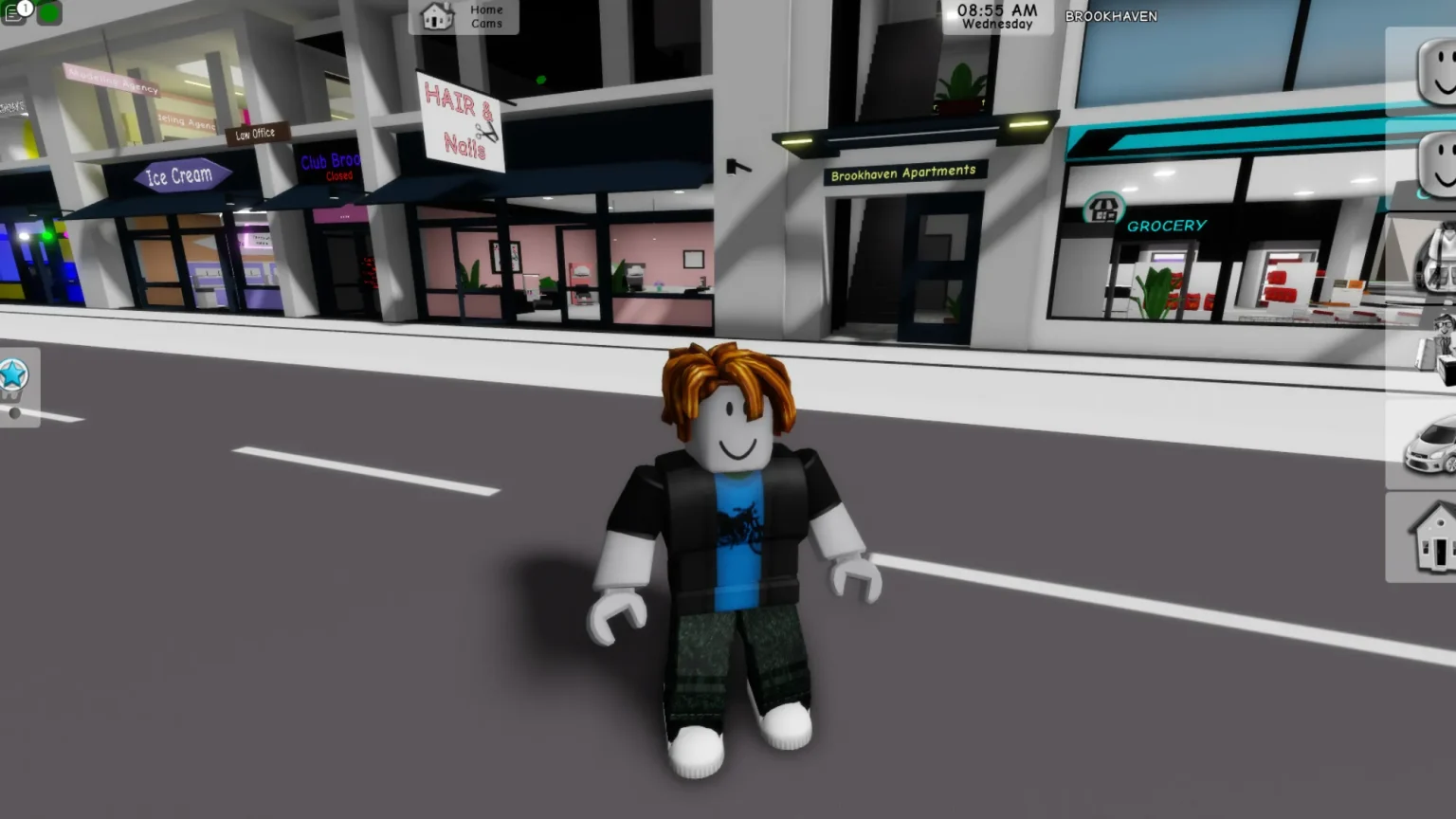

A common misconception says modding is limited to a lone player changing colors or adjusting a minor setting. That narrow view misses the creative work and discussion that tools can invite. Modding alters or extends an existing game’s assets or systems, while user-generated content can include custom maps, stories, items, social spaces, and complete player-built experiences.
Creative activity broadens participation beyond completing a developer-made campaign. The discussion of money making by playing games is another example of gaming activity beyond campaign completion, though creative work does not guarantee income. A shared project gives players something concrete to test, discuss, revise, and learn from together.
Shared tools create a reason to collaborate
Creative communities form around tools as much as a game’s world. Editors, scripting systems, asset libraries, publishing portals, and feedback channels give participants ways to create, share, revise, and learn from one another. Discussion gains focus when people can point to a playable project, a proposed change, or a technique worth improving.
Steam Workshop offers a clear hub for this exchange. It is designed for players to create, discover, and download community-made content, though individual games use the system differently. Publishing and discovery sit close together, so player responses can inform a creator’s next revision.
Skyrim illustrates a deeper form of official support. Bethesda’s Creation Kit allows modders to create quests, environments, dialogue, weapons, armor, and gameplay systems. Within Skyrim Special Edition, Skyrim Creations lets players browse and download community-made content, while creators can submit their work. These tools support creative participation without turning every project into a commercial product or professional opportunity.
Budget gaming leaves room for creative exploration
Budget gaming is a value-focused approach to playing more while spending less on hardware, games, or subscriptions. It can help a player allocate funds toward titles with mod support or platforms built around creation. Eneba is a digital marketplace for game keys, gift cards, and digital products, with product pages that can show platform information and regional compatibility. Verified merchants support access to legitimate digital products, while checking the target platform and account region helps buyers select the right item.
A considered library can support experimentation without restricting play to one kind of game. One player may prefer established mod tools, while another may choose an editor within a creation platform. Each route offers a different way to contribute, from a small adjustment to a collaborative project.
Feedback turns projects into community work
Platform-native creation differs from traditional modding because creators can publish a complete experience within the host ecosystem instead of altering an existing game’s files. Roblox Studio is an all-in-one development environment for building and publishing experiences. Roblox defines experiences as 3D worlds that creators build and publish, placing creation and play in the same ecosystem.
Unreal Editor for Fortnite, or UEFN, supports designing, developing, and publishing games directly into Fortnite. Epic documents real-time collaboration, revision control, multiplayer playtesting, and publishing workflows for creator teams. Groups can divide tasks, test ideas together, and track changes across a project.
The creative loop is straightforward: creators publish work, players test it, feedback guides revision, and new versions renew discussion. Digital marketplaces like Eneba offer deals on games, gaming top-up, and more. Choice across platforms and regions can help players find suitable games and products for the creative spaces they want to explore.
