


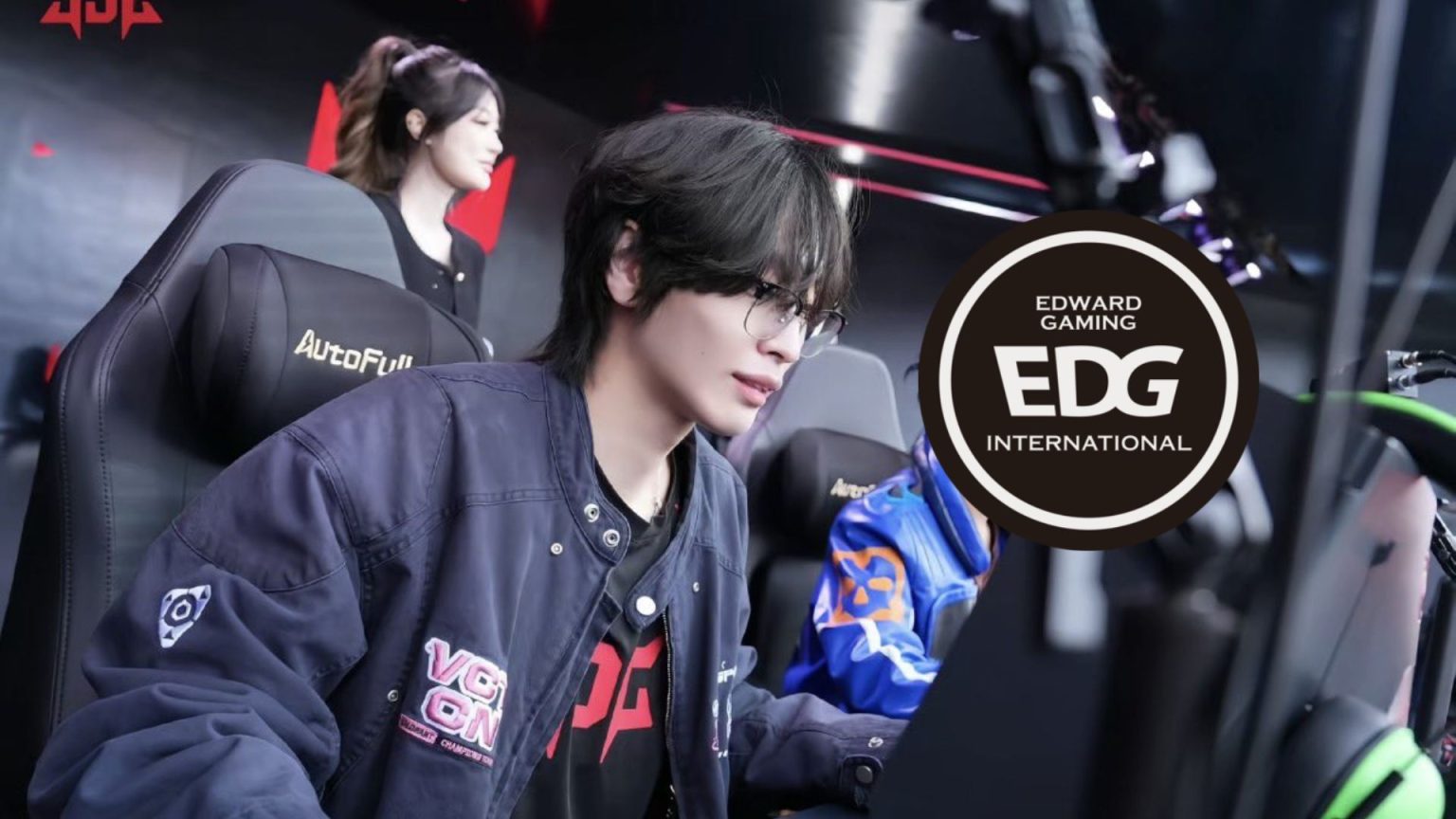

EDward Gaming are not a team that sits still when results don’t go their way. After an early exit at VCT China Stage 2 Play-Ins, the 2024 world champions are moving quickly to sort out their roster before the biggest event of the year. The change centers on the departure of Zhang “Jieni7” Juntai and the arrival of Park “stew” Young-chan, a player who has been a free agent since parting ways with JD Gaming in June. What makes this move worth paying attention to goes beyond one roster swap; it speaks to how seriously EDG is taking their home-tournament run.
This is a competition in one of the biggest games in the industry, not just esports. Valorant has grown into a global stage where regional pride, championship points, and team legacies all collide at once. EDG has built that legacy carefully, and they are not about to let it slip at Champions, an event being held on Chinese soil, in front of their own crowd.
Adding stew is a calculated move, not a panic one. The organization is betting that his untapped potential, paired with the right structure around him, can elevate the squad when it matters most.
Who Is Stew and Why EDG Wanted Him
Park Young-chan has spent the better part of three seasons in VCT China trying to reach an international tournament with JD Gaming. He never got there. That near-miss narrative is now flipped on its head; stew joins a team that has not only been to international events but won one. For a player with his profile, that context matters.
Within the Chinese league, stew has long been viewed as a player with more ceiling than his results suggested. JDG were unable to build a system that consistently brought out his best, and by June, both sides agreed it was time to part ways. EDG are a different environment, more structured, more experienced internationally, and now deeply motivated heading into a Champions held at home. Stew’s acquisition is less about filling a gap and more about adding a piece with real upside at exactly the right moment.
His history as a Duelist adds another layer. During Stage 1, stew shifted into a Controller role, which is the exact position Jieni7 occupied at EDG. That flexibility makes the transition cleaner. EDG can slot him in where Jieni7 played, or they can reshape the composition entirely, giving Controller duties to Zhang “Smoggy” Zhao and letting stew operate as a second Duelist alongside ZmjjKK. Either path gives the team options it didn’t previously have.
What EDG’s Stage 2 Exit Actually Revealed
Losing in the Play-Ins to JDG was disappointing regardless of where EDG stood in the points table. The Stage 1 win had set a high bar, and Stage 2 showed that the team had areas that needed work before facing international competition. The Play-In exit wasn’t a fluke; it reflected real structural issues that the coaching staff had already identified.
The timing of the move makes that clear. EDG didn’t wait to see how other teams moved or whether a better option would emerge. They identified stew as the right fit, moved on Jieni7, and are now building toward Champions with a refreshed lineup. Organizations that wait too long to address roster problems typically show up underprepared. EDG is doing the opposite, making the call early enough to allow stew time to integrate before the tournament begins.
It’s also worth noting that EDG’s point lead gives them the freedom to take a calculated risk here. They are not scrambling to stay qualified. They can afford to absorb any short-term adjustment period that comes with a new player joining mid-cycle, because the standings give them breathing room that most teams in their position wouldn’t have.
The Tactical Picture Going Into Champions
From a pure game-plan perspective, stew’s role at EDG will depend on how the head coach and staff want to rebuild the system around Champions. The dual-path option, Controller or Duelist, is genuinely flexible, and that flexibility is an asset rather than a sign of uncertainty.
ZmjjKK is already one of the most recognized Duelists in the region, and building a second Duelist around him could give EDG more aggressive map presence than they showed in Stage 2. On the other hand, keeping stew on Controller and deploying Smoggy in a different capacity gives the team a more structured approach suited to best-of-five international play. Both configurations are viable, and the fact that EDG have the option to choose is a result of signing a player versatile enough to fit either role.
Champions taking place in Shanghai adds pressure that cannot be overstated. With a home crowd, national attention, and the weight of being the defending world champions, EDG are walking into that environment and have decided the best way to handle it is by making a bold roster call rather than staying comfortable with a lineup that underperformed.
A Broader Pattern in Roster Strategy Across Regions
EDG’s decision mirrors a trend seen across competitive rosters at the highest level: teams are increasingly willing to make significant changes close to major tournaments rather than ride out the season with a struggling lineup. The logic is straightforward: reaching an event is only half the battle, and showing up without addressing known weaknesses is worse than making a late adjustment.
Fnatic recently made a similar call in the LEC, moving on from toplaner Empyros ahead of the Summer Split after failing to reach playoffs during Spring. Like EDG, Fnatic didn’t wait for the off-season window; they acted mid-cycle because the cost of staying put outweighed the disruption of a change. The parallel isn’t exact, but the mindset is the same: organizations with ambition don’t wait for the perfect moment to fix a problem when a workable solution is available now.
Stew’s move to EDG fits that pattern exactly. He was available, he had the profile EDG needed, and the timing aligned. Roster windows like this don’t stay open for long, and EDG moved when they could rather than hoping circumstances improved on their own.
