


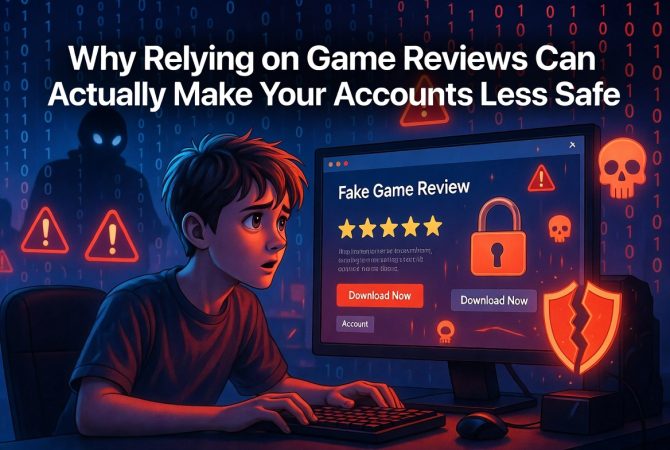

It seems like everyone’s advice is to read a handful of game reviews before grabbing a new title, especially with so many indie launches and surprise hits. But that habit might make you miss a bigger risk: trusting the wrong info can put your gaming accounts in harm’s way. Most reviews are focused on gameplay, graphics, or how “worth it” the story feels, but few mention the digital security or legitimacy of the platforms where people buy their games. This gap can quietly expose buyers to fake keys, fraudulent sellers, and region-locked content, none of which gets much attention in your average review round-up.
Take a game like 007 First Light. You could read glowing reviews hyping up its stealth mechanics or its next-gen visuals, but that does nothing to warn you about choosing a safe purchase channel. Many reviews barely distinguish between recommended retailers and risky gray-market sites. If you decide to buy 007 First Light on Eneba, reviews may not help you figure out how to match regions, spot seller ratings, or check if an offer is legitimate. Relying solely on reviews encourages tunnel vision, not well-rounded, safe-buying habits.
Why Are Steam Keys So Cheap, and Why Reviews Won’t Tell You the Full Story
Steam keys can sometimes cost less than on official storefronts because of reasons like regional pricing differences, sellers purchasing in bulk, promotional surplus, or the streamlined nature of digital distribution. Some digital marketplaces, Eneba included, provide clear region tags and verified merchants, allowing buyers to compare multiple offers with transparent seller ratings. This setup increases buyer confidence and lets you double-check compatibility and legitimacy, features missing from the review-aggregation websites most players visit before a purchase.
Steam key prices can seem suspiciously low if you only look at reviews and skip researching how digital marketplaces work. Safety features, like transparent region warnings, visible seller ratings, and monitored merchants, are rarely detailed by reviewers. That leaves buyers guessing about risk, which is why trusting reviews for security advice can leave important gaps in your decision-making.
Why Security Relies on Research, Not Review Scores
The idea that reviews are a safety net is a myth that needs serious rethinking. Review sites rarely stay up-to-date on emerging scams or the nuances of regional compatibility, and they almost never alert users to merchant verification standards. Some buyers only find out about purchase problems when trying to redeem a code, something rarely discussed in a review’s closing paragraph.
Responsible buyers look for transparency at every step, starting with digital marketplaces that publish region tags and seller histories, and they confirm the legitimacy of offers before clicking “purchase.” It’s the fine print that protects your account, not the excitement of another five-star review. Learning how to spot legitimate stores, double-check regions, and weigh trust signals is a skillset you only build by going beyond review summaries.
Reading reviews might shape your opinion about a game’s quality, but it won’t safeguard your account from the pitfalls of digital shopping. That shift toward real research is already visible on platforms like Eneba, where game listings are packed with regional info and merchant history, exactly the kind of detail reviews often leave out.
