




Anyone who has spent time reviewing mobile games knows the difference between an app that feels built for a phone and one that was clearly just shrunk down from a desktop build. The same gap shows up in real money casino apps, and it matters more there than almost anywhere else in mobile software. Fast load times, controls that respond the instant a thumb touches the screen, and feedback loops that make a spin or a hand of blackjack feel satisfying rather than clunky are not nice extras on a casino app, they are the entire experience. A casino app is judged on the same fundamentals as any other piece of mobile software, and most of them fail at least one part of that test.
Where the Strong Apps Actually Separate From the Rest
Tracking uptime, load speed, and payout consistency across a full slate of real money casino apps side by side, the way Rotowire’s app rundown does, is a faster way to see which operators actually cleared every checkpoint than reading five separate marketing pages and hoping the claims line up with reality.
Run enough casino apps through that checklist and a pattern shows up fast. The apps that perform best on load speed are almost always the ones that also handle table games natively rather than porting them, since both problems come from the same root cause: whether an operator actually rebuilt its product for mobile or just resized it. The same logic applies to payout speed. Apps that treat mobile withdrawals as a first-class feature rather than an afterthought tend to be the same ones with app store reviews that hold up past the star rating.
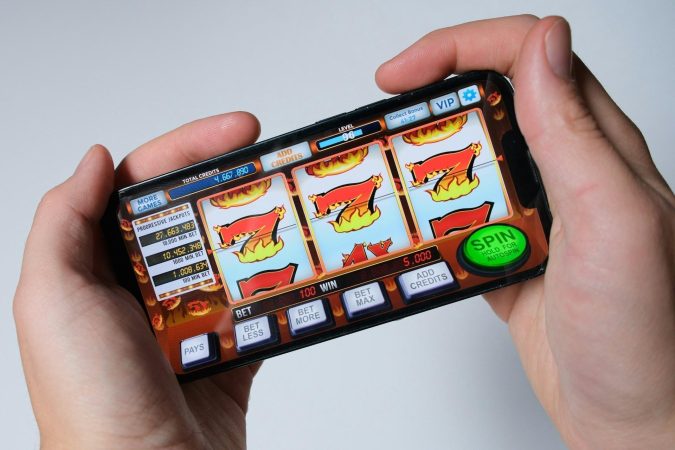
The Framework We Actually Test Against
Running a casino app through the same checklist used for any other mobile release turns out to be the most reliable way to separate the strong ones from the mediocre ones. Load speed comes first, since a lobby that takes eight seconds to populate on a phone loses a player before a single game has even opened. Game library depth is next, and it needs to be measured on mobile specifically, not just copied from the desktop marketing page, since a catalog listed as having thousands of titles is meaningless if only a fraction of them actually render properly on a five inch screen.
Table games are where the mobile-versus-desktop gap shows up hardest. A blackjack or roulette table built with touch controls in mind, larger tap targets, gesture-based betting, chips that snap into place cleanly, plays completely differently from a table game that is simply a shrunk-down port of the desktop version squeezed into a phone frame. The second category is still common, and it is usually obvious within the first hand.
Deposit and withdrawal speed rounds out the technical side of the review. An app that makes depositing effortless but buries withdrawal requests behind extra verification screens or multi-day processing windows is not actually built around the player, it is built around holding onto the player’s money longer than necessary. App store ratings are the last check, and they are worth reading past the star average into the actual review text, since a 4.2 average sitting on top of dozens of one-star reviews about crashes tells a very different story than a 4.2 built on consistently solid feedback.
The Same Standard Applies Everywhere on a Phone
USA TODAY’s testing team ran a similar checklist across the top real money casino apps this year, clocking load times, payout speeds, and crash rates directly rather than relying on marketing copy, and the results back up the same pattern: the apps built mobile-first consistently outperformed the ones that treated mobile as a secondary platform.
Where Mobile Coverage Comes In
That is really the whole story with mobile software of any kind, casino apps included. A good app is not defined by how many features it lists, it is defined by how well those features actually work on the device most people are holding. For more on how we test and rank apps across every category we cover, our mobile coverage breaks down the same criteria for everything from games to utilities.
