


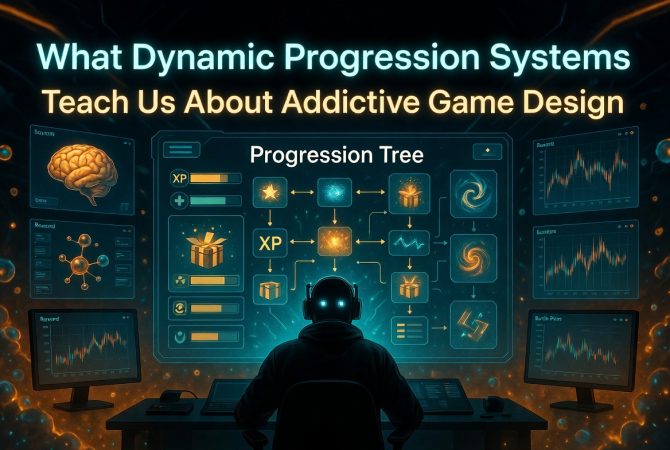

Game progression isn’t just about hitting milestones; it’s a carefully crafted experience that keeps players coming back. Developers have experimented with everything from branching storylines to evolving skill trees, but few things shape gaming habits like dynamic progression systems. These clever systems adapt to player choices and reward regular engagement, creating a feedback loop that’s as captivating as it is difficult to walk away from.
One of the best ways to see these systems at work is in multiplayer titles bursting with unlockable content and seasonal bonuses. Consider how games increasingly use layered currencies and event timeframes to dial up the sense of urgency. For example, titles that offer exclusive rewards during limited-time events often see a sharp spike in player activity as fans rush to maximize their gains. This urgency feeds into purchasing decisions, with more players seeking digital items and upgrades that enhance their progression.
The rise of third-party digital marketplaces further fuels this trend by streamlining access to must-have in-game content. Players eager to stay ahead can grab upgrades, credits, or bundles outside the standard storefront. Take something like Marvel Rivals Lattice Top Up: this type of digital credit lets fans jump into themed content cycles without delay, sidestepping the frustration of in-game grind limits or region-specific restrictions.
The Psychology of Reward Loops
Why does progression connect so deeply with our instincts? At the heart of it is the reward loop: a cycle of investment and payoff that taps into both curiosity and anticipation. Game designers build progression systems that keep goals just within reach, using notifications, streak rewards, and daily milestones to nudge players toward the next achievement. Over time, this generates a routine, logging in, checking objectives, collecting gradual boosts, that becomes its own compelling form of play.
Exploring why CD keys sell so cheap offers a glimpse into the economic side of these engagement strategies. CD keys often cost less because sellers source them at region-specific prices, in bulk, or during special promotions, all made possible by digital distribution models. On digital marketplaces like Eneba, advantages like clear region labeling and immediate code access allow players to make quick, informed choices when chasing time-sensitive goals.
Community, Customization, and Progression
Dynamic progression isn’t only about what’s unlocked, it’s about identity and belonging. Players often showcase unique cosmetics, badges, or emotes earned through consistent effort or rare top-ups. This public display of advancement feeds community-driven excitement and healthy competition. It also encourages players to experiment with multiple paths, knowing each run or season might pay out different status symbols.
Some fans become deeply invested in min-maxing their progress, switching between purchase options and event goals for the perfect loadout. Others use progression as a way to explore new play styles without the pressure of ranked competition. No matter the approach, these systems mean that nearly every session feels meaningful and personalized to each player’s journey.
It’s no wonder digital marketplaces like Eneba thrive by specializing in curated bundles and game-specific top-ups that meet these evolving needs. The urge to personalize progression, as much as to compete, drives the marketplace forward, offering variety and flexibility in the ways players engage with their favorite titles.
