


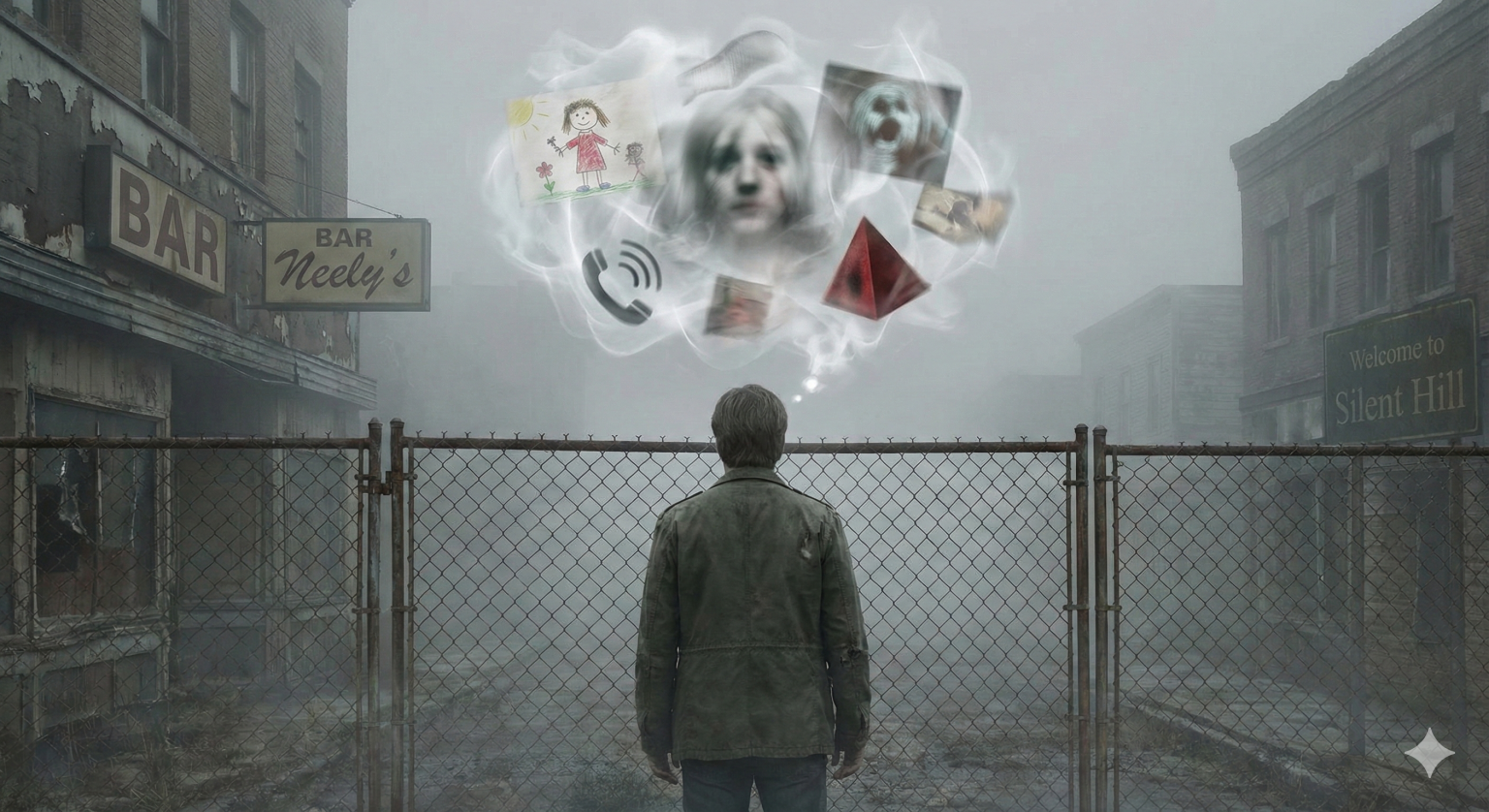

Silent Hill 2 isn’t just another survival horror game—it’s a psychological mirror. Instead of relying purely on cheap scares or endless combat, the game digs deeper, forcing you to confront the darkest corners of the human psyche. The town itself becomes the therapist, stripping away layers of denial and exposing truths the protagonist—and the player—might not want to face.
This is what makes Silent Hill 2 stand out more than two decades later. It’s not about surviving monsters; it’s about surviving yourself.
Buying a Ticket to Your Own Psyche
Unlike most horror titles where enemies are external obstacles, Silent Hill 2 internalizes the threat. James Sunderland’s journey is as much about confronting his guilt as it is about escaping the fog-drenched streets. When you grab a Silent Hill 2 Steam key, you’re not just accessing a game—you’re signing up for an interactive therapy session disguised as a nightmare.
The monsters aren’t random designs. They’re projections of James’ inner turmoil, walking metaphors for repressed emotions. Every street, every shadow, and every unsettling encounter is less about Silent Hill’s mythology and more about what James has buried inside himself. And as players, we’re forced to wrestle with the same questions: what would the town reveal about us?
The Town Knows You Better Than You Do
Silent Hill operates like a therapist that doesn’t bother with subtlety. The environment is alive, tailored to James’ psyche. The oppressive fog and endless darkness reflect his confusion and depression. The dilapidated buildings and grotesque monsters echo his guilt and suppressed desires.
It’s clever design. Instead of telling players how James feels, the game makes us feel it. Navigating the streets becomes an exercise in anxiety, mirroring his fractured mental state. Every blocked path, every locked door, and every distorted soundscape is a deliberate reminder that James is trapped inside his own mind as much as he is trapped in the town.
Monsters as Therapy Tools
The creatures in Silent Hill 2 aren’t random nightmares; they’re therapeutic confrontations. The iconic Pyramid Head embodies James’ self-punishment, a looming executioner that forces him to face his guilt. The faceless nurses reflect both lust and repression, while other distorted enemies mirror his inability to process trauma.
In a traditional horror game, killing monsters is progress. In Silent Hill 2, each encounter feels like peeling back another psychological layer. You’re not just fighting for survival—you’re fighting to uncover the truth James has buried beneath denial.
The Player in the Therapist’s Chair
What makes Silent Hill 2 timeless is how it extends its therapy session to the player. You don’t simply guide James—you inhabit his descent. His fragmented memories, unreliable perspective, and moral ambiguity create a sense of self-reflection. The town doesn’t just expose James’ flaws; it nudges players to think about what Silent Hill might show them if it were tailored to their own inner lives.
That’s the brilliance of it. You leave the game haunted not just by monsters or fog, but by the uncomfortable realization that the scariest horrors are often internal.
A Therapy Session in Disguise
Silent Hill 2 isn’t just horror—it’s introspection with a nightmarish backdrop. The town acts like a therapist that never lets you off easy, forcing you to confront truths you’d rather ignore. It’s why the game remains a landmark in psychological storytelling and why stepping into its streets feels like more than just gaming.
For those ready to revisit—or experience for the first time—the most unsettling therapy session in gaming history, digital marketplaces like Eneba make it simple to wander into Silent Hill’s fog.
